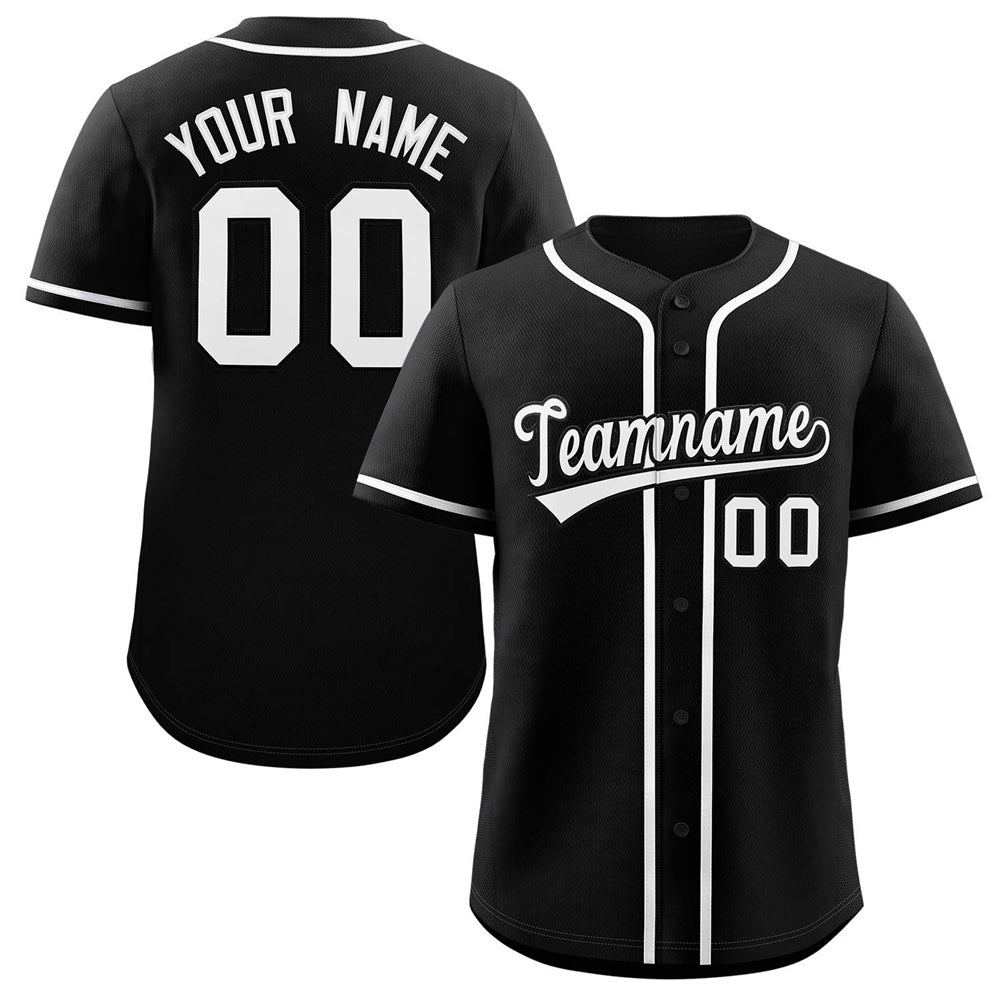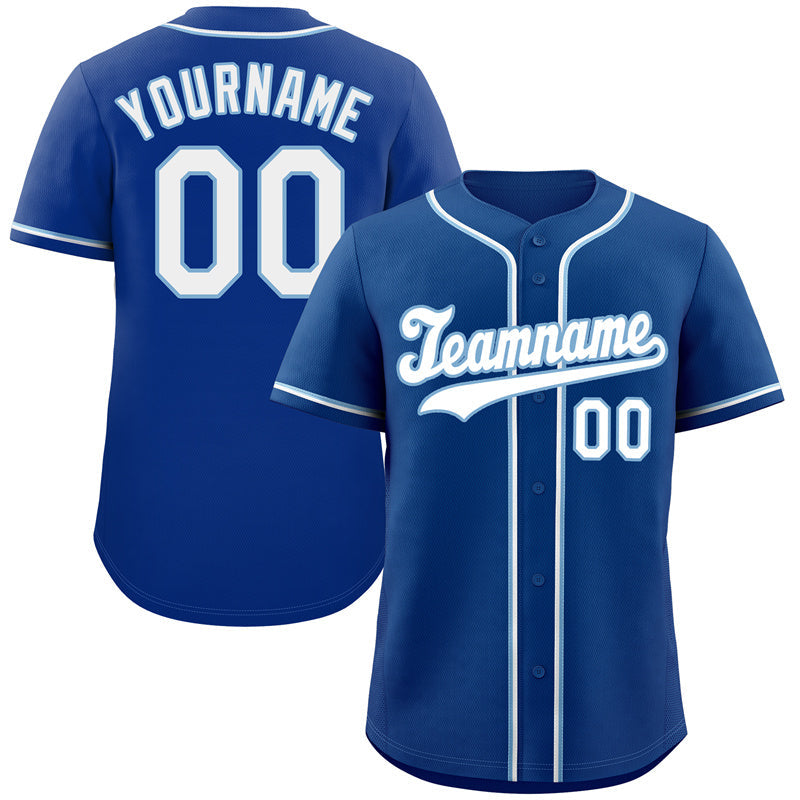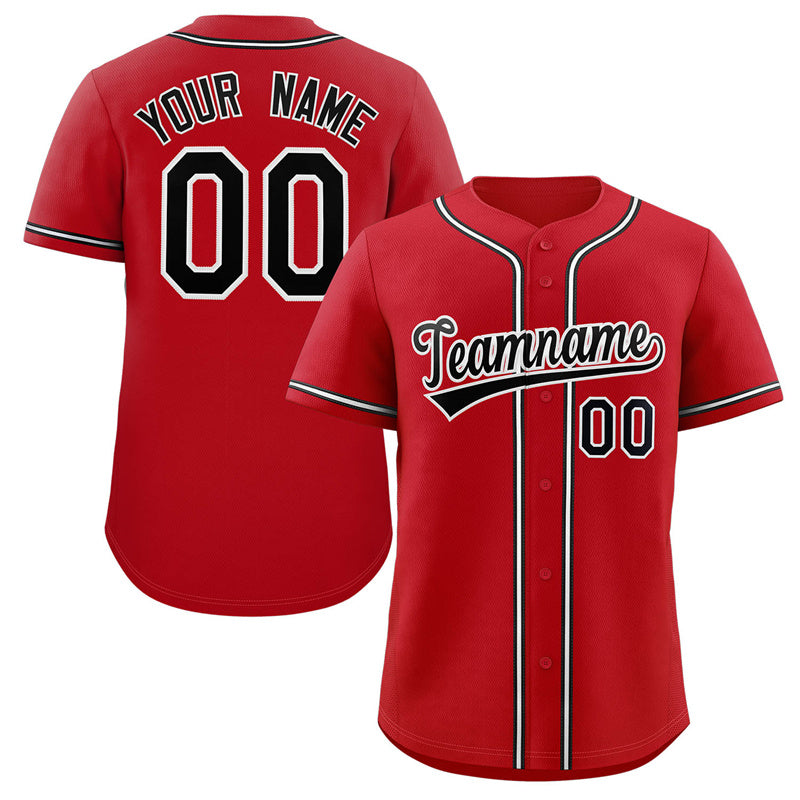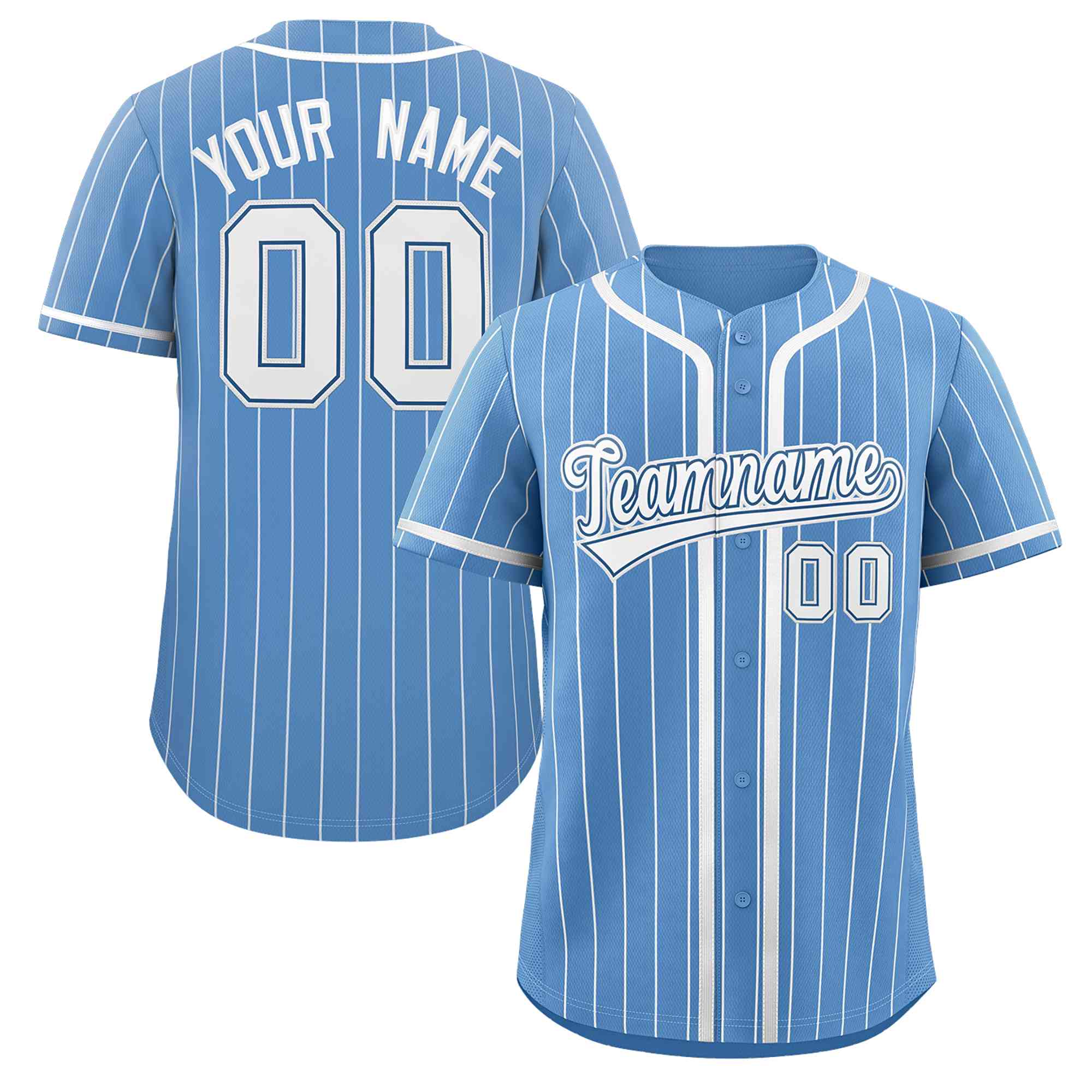

Custom Baseball Jersey Fabric Guide: Poly-Mesh 200 GSM vs Pro-Wick 200 GSM vs Pro-Wick 230 GSM
July 04, 2026 7 min read


The fabric you choose affects how your team feels during long games, how the jersey looks after washing, and how well it performs throughout the season. With three popular sublimation fabrics — Poly-Mesh 200 GSM, Pro-Wick 200 GSM, and Pro-Wick 230 GSM — many coaches and team organizers struggle to pick the right one. This guide breaks down their breathability, durability, print quality, and best use cases for baseball and softball teams.
Baseball Jersey Fabric Basics: GSM, Mesh, and Moisture-Wicking Explained
Before we dive into the comparison, let's cover the fundamentals.
What GSM means: GSM stands for "Grams per Square Meter" — it measures fabric weight and thickness. Higher numbers mean heavier, more structured fabric; lower numbers mean lighter, more breathable fabric. But GSM alone doesn't tell the whole story. A 200 GSM Pro-Wick and a 200 GSM Poly-Mesh weigh the same but perform very differently due to their weave construction.
Mesh vs. solid weave: Mesh fabrics (like Poly-Mesh) use an open birdseye or honeycomb weave that allows maximum airflow. Solid weave fabrics (like Pro-Wick) have a tight, smooth microfiber surface that looks more professional and holds prints better. Neither is inherently better — it depends on whether your priority is airflow or appearance.
Why 100% polyester works best for sublimation: Sublimation uses heat to transfer dye directly into the fabric's fibers. This best works with polyester (or high-polyester blends) because the dye bonds permanently with the fiber. The result? Graphics that won't crack, peel, or fade — even after dozens of washes.
Poly-Mesh 200 GSM: Best for Maximum Breathability
The lightweight champion for scorching summer heat.
Poly-Mesh 200 GSM features an open birdseye mesh weave that lets air flow freely. If you're coaching in Texas, Florida, Arizona, or anywhere with 90°F+ summer days, this fabric will keep your players noticeably cooler.
Pros:
-
Maximum airflow — The open weave creates superior ventilation
-
Featherlight feel — Players barely notice they're wearing it
-
Budget-friendly — Typically the most economical option
-
Great for practice — Perfect for those grueling two-a-days
Cons:
-
Semi-sheer in light colors — White mesh can be see-through under stadium lights or direct sun
-
Casual look — Doesn't have the "pro" aesthetic of solid weaves
-
Snag risk — Open weave can catch on Velcro, belt buckles, or dugout fences
Best for: Summer tournament weekends, hot-weather states (AZ, TX, FL, CA), practice jerseys, recreational leagues, and teams on a tight budget.
Pro-Wick 200 GSM: The Best All-Around Baseball Jersey Fabric
The Goldilocks choice — just right for 90% of teams.
Pro-Wick 200 GSM uses a tight microfiber solid weave that balances weight, breathability, durability, and professional appearance better than any other fabric on this list. If you can only order one style for the entire season, this is your answer.
Why it's the safest bet:
-
Fully opaque — No see-through issues, even in white. Your players look clean and professional on game day
-
Soft hand-feel — Comfortable against the skin, unlike stiffer mesh options
-
Permanent moisture-wicking — Pro-Wick uses advanced fibers that wick sweat permanently, not just a surface coating that washes out
-
Anti-pill — Stands up to repeated washing and friction from sliding
-
Crisp print quality — The smooth surface delivers sharp logos, sharp numbers, and vibrant colors
-
All-season versatility — Works in warm summer games AND cooler spring/fall evenings
Best for: High school varsity teams, travel ball programs, recreational leagues, all-season use, home white jerseys, and any team that wants a professional look without the premium price tag.
Pro-Wick 230 GSM: Premium Option for Durability and Structure
The heavy-duty choice for competitive programs that want a pro-grade look.
That extra 30 GSM over the Pro-Wick 200 makes a noticeable difference. Pro-Wick 230 feels thicker, drapes better, and holds its shape throughout long games. When you put it on, it feels like a Major League jersey.
Pros:
-
Structured, tailored fit — Maintains shape through the 7th inning and beyond
-
Superior durability — Takes a beating all season long without showing wear
-
Better for cooler weather — Provides a bit more warmth for early spring and late fall games
-
Elite visual appeal — Has that "legit" look that commands respect on the field
Cons:
-
Less breathable — Thicker fabric means less airflow; not ideal for summer heat
-
Higher cost — Premium fabric comes with a premium price tag
-
Heavier feel — Some players prefer lighter fabrics for speed positions
Best for: Varsity and elite travel teams, competitive high school programs, cooler climates (Midwest, Northeast, Pacific Northwest), spring/fall seasons, and teams that want the highest-quality look available.
Poly-Mesh 200 vs Pro-Wick 200 vs Pro-Wick 230 Comparison
| Feature | Poly-Mesh 200 GSM | Pro-Wick 200 GSM | Pro-Wick 230 GSM |
|---|---|---|---|
| Weave Type | Open Birdseye Mesh | Tight Solid Microfiber | Heavy Solid Microfiber |
| Opacity | Semi-sheer (light colors) | Fully Opaque | Fully Opaque |
| Breathability | ★★★★★ (Highest) | ★★★★ (Medium-High) | ★★★ (Medium) |
| Moisture-Wicking Level | Basic polyester wick | Permanent advanced wick fiber | Top-tier pro wick system |
| Durability | Standard (snag risk) | Enhanced anti-pill | Max season-long durability |
| Visual Style | Casual rec league | Clean varsity standard | Premium pro structured look |
| Ideal Climate | Hot summer only (90°F+) | All-year mixed weather | Cool spring/fall evenings |
| Budget Tier | Economy | Mid-tier value | Premium top grade |
| Best For | Practice, rec leagues | 90% of teams | Elite, varsity, cold climates |
How to Choose the Right Baseball Jersey Fabric for Your Team
Follow this decision order to narrow down your options:
① Climate (Hot / Mild / Cold)
-
Hot (90°F+ summers) → Poly-Mesh 200 or Pro-Wick 200
-
Mild / Mixed → Pro-Wick 200 (the all-season workhorse)
-
Cool (spring/fall dominant) → Pro-Wick 230
② Competition Level (Practice / Casual / Varsity / Elite)
-
Practice only → Poly-Mesh 200 (cost-effective and breathable)
-
Rec / casual league → Poly-Mesh 200 or Pro-Wick 200
-
High school varsity / travel → Pro-Wick 200 (best value for money)
-
Elite / championship-level → Pro-Wick 230 (premium look and feel)
③Jersey Style (Home White / Away Dark / Formal Game Look)
-
White home jerseys → Pro-Wick 200 or 230 only (never mesh — see-through nightmare!)
-
Dark away jerseys → Any fabric works, but Pro-Wick 230 offers the best drape
-
Formal game-day look → Pro-Wick 230 delivers the professional edge
Common Baseball Jersey Fabric Mistakes Teams Make
❌ Mistake #1: Choosing mesh for white game jerseys
This is the #1 regret teams have. White Poly-Mesh becomes semi-transparent under stadium lights — you can see undershirts, skin, and even the reverse side of the numbers. It looks unprofessional and awkward.
❌ Mistake #2: Using 230 GSM in summer heat
Heavy fabrics in 90-degree weather are a recipe for overheated players. Save the 230 GSM for cooler months and indoor games.
❌ Mistake #3: Ignoring opacity when ordering samples
Many coaches only check the swatch in office lighting. Always hold the fabric up to direct sunlight or bright stadium lights to check transparency.
How Fabric Affects Custom Sublimation Baseball Jersey Results
The fabric you choose isn't just about comfort — it directly impacts how your custom design turns out. Here's what every coach and team manager needs to know:
① Color Vibrancy
Smooth, tight weaves (Pro-Wick 200/230) produce richer, more saturated colors than mesh. The uneven surface of mesh scatters light and absorbs sublimation ink differently, resulting in slightly muted tones. If you have a bold color scheme, Pro-Wick is the way to go.
② Logo Sharpness
Mesh's open holes "eat" fine lines and small text. A complex mascot logo or intricate lettering will look fuzzy on Poly-Mesh. Pro-Wick's smooth surface keeps every detail razor-sharp — perfect for detailed team crests.
③ Number Clarity
Solid block numbers appear crisp and clean on Pro-Wick. On mesh, you may notice edge fuzziness or slightly jagged outlines — especially with outlined or layered numbers.
④ Long-Term Wash Durability & Color Retention
All three fabrics are 100% polyester, so sublimation ink bonds permanently with the fibers. However, the tighter weave of Pro-Wick fabrics protects the dye from friction wear over time. After 30+ washes, Pro-Wick jerseys maintain their original vibrancy slightly better than mesh.
Pro Tip from KXK: If you're investing in custom artwork, don't cheap out on the fabric. A $500 logo design looks like a $50 design on the wrong fabric. Your artwork deserves Pro-Wick clarity.
Frequently Asked Questions
Q: Will white Poly-Mesh jerseys be see-through under stadium lights?
A: Yes — and that's exactly why many coaches avoid it for game day. The open mesh weave prioritizes breathability over opacity, so white jerseys become semi-transparent under bright lights. For practice or dark colors it's fine, but for white home jerseys, upgrade to Pro-Wick 200 GSM for full opacity.
Q: What's the main difference between Pro-Wick 200 and 230 GSM?
A: The 30 GSM difference translates to a noticeably thicker, more structured fabric. Pro-Wick 230 feels more "premium" and holds its shape better, but it's warmer and less breathable. Pro-Wick 200 is the all-around workhorse — lighter, cooler, and suitable for a wider range of temperatures. If you play mostly March–May or September–October, go 230. If your season runs June–August, go 200.
Q: Does Pro-Wick fabric hold sublimated logos better than mesh?
A: Absolutely. The smooth surface of Pro-Wick allows for sharper edges, finer details, and more vibrant colors. Mesh's open structure causes slight ink dispersion, which means logos and numbers don't look as crisp. If your design has small text or intricate mascot details, Pro-Wick is the clear winner.
Q: Which fabric is best for girls' custom softball uniforms?
A: Pro-Wick 200 GSM is the most popular choice for softball teams across the U.S. It's fully opaque (no see-through issues), feels soft against the skin, and offers excellent durability for the sliding, diving, and washing that softball season demands. For teams in extremely hot states (like Arizona or Texas), Poly-Mesh 200 can work — but only for dark colors. For white softball jerseys, always choose Pro-Wick.
Q: Will white Poly-Mesh jerseys be see-through during games?
A: Yes. This is a common complaint on coach forums and review sites. White Poly-Mesh jerseys are semi-sheer under direct sunlight and stadium lights. Opponents, umpires, and fans will be able to see undershirts, sports bras, and skin tone through the fabric. For white jerseys, always choose Pro-Wick 200 or 230 to stay opaque and professional.
Q: Which fabric lasts the longest through an entire baseball season?
A: Pro-Wick 230 GSM is the most durable option. The thicker yarns and tighter weave resist abrasion from slides, washing machines, and everyday wear better than the other two. If you're outfitting a team that plays 40+ games per season, this fabric will still look good in the postseason. Pro-Wick 200 is a close second. Poly-Mesh 200 is the least durable, with higher snag and pilling risk.
Final Verdict: Which One Should You Order?
| Your Situation | Our Recommendation |
|---|---|
| Hot summer league, on a budget | Poly-Mesh 200 GSM |
| White home jerseys (any level) | Pro-Wick 200 or 230 GSM |
| High school varsity, any climate | Pro-Wick 200 GSM |
| Elite travel / showcase team | Pro-Wick 230 GSM |
| Practice jerseys only | Poly-Mesh 200 GSM |
| Spring/fall season, cool climate | Pro-Wick 230 GSM |
| Softball team (any level) | Pro-Wick 200 GSM |
| Need one fabric for everything | Pro-Wick 200 GSM |
Need fabric swatches or have questions about your custom order? Contact KXK today — we'll help you find the perfect fabric for your team's needs, climate, and budget.
Leave a comment
Comments will be approved before showing up.
Also in Baseball

Baseball Jersey Size Guide: How to Find the Perfect Fit
June 23, 2026 5 min read
Find the perfect fit for your custom baseball uniform with this complete baseball jersey size guide. Learn how to choose the right jersey and pants size, measure garment dimensions correctly, understand KXK’s garment-based size charts, and select the best fit for games, teams, casual wear, and special events.

How to Get Wrinkles Out of a Baseball Jersey Without an Iron — 8 Easy Methods
June 11, 2026 8 min read
Got a wrinkled jersey and no iron? You're not alone — and you definitely don't need one. Baseball jerseys are made from polyester, and hitting them with a hot iron is one of the fastest ways to ruin the printed numbers, logos, and names. This guide walks you through 8 safe, proven methods to smooth out creases using stuff you probably already have at home: steam from your shower, ice cubes in the dryer, a spray bottle, a hair dryer, and more. Plus, we cover how to handle wrinkles around printed graphics without melting or cracking them. Whether it's game day morning or you just unpacked a fresh custom order, one of these methods will get your jersey looking right — no iron required.

Why Your Baseball Jersey Feels Like an Oven in Summer — and What to Look for Instead You Know the Feeling
May 30, 2026 7 min read
Your team jersey shouldn't be the reason you dread summer practice. Here's what actually matters when choosing a jersey for hot weather — from moisture-wicking and breathable mesh to stitched vs. printed lettering and why sleeveless makes more sense than you think.
Recent Articles
- Custom Baseball Jersey Fabric Guide: Poly-Mesh 200 GSM vs Pro-Wick 200 GSM vs Pro-Wick 230 GSM
- Baseball Jersey Size Guide: How to Find the Perfect Fit
- How to Get Wrinkles Out of a Baseball Jersey Without an Iron — 8 Easy Methods
- Why Your Baseball Jersey Feels Like an Oven in Summer — and What to Look for Instead You Know the Feeling
- How to Wash a Jersey Properly: The Complete Guide for Baseball Jersey Care
Top Searches
 Ice Cream
Trending Now