
How to Get Wrinkles Out of a Baseball Jersey Without an Iron — 8 Easy Methods


You just got your custom jersey in the mail. You rip open the package, hold it up — and there they are. Creases across the chest, fold lines running down the back, the numbers looking like they went through a paper shredder. Game day is tomorrow, and you don't own an iron. Or maybe you do, but something tells you pressing a scorching-hot metal plate onto your brand-new jersey is a terrible idea.
You'd be right.
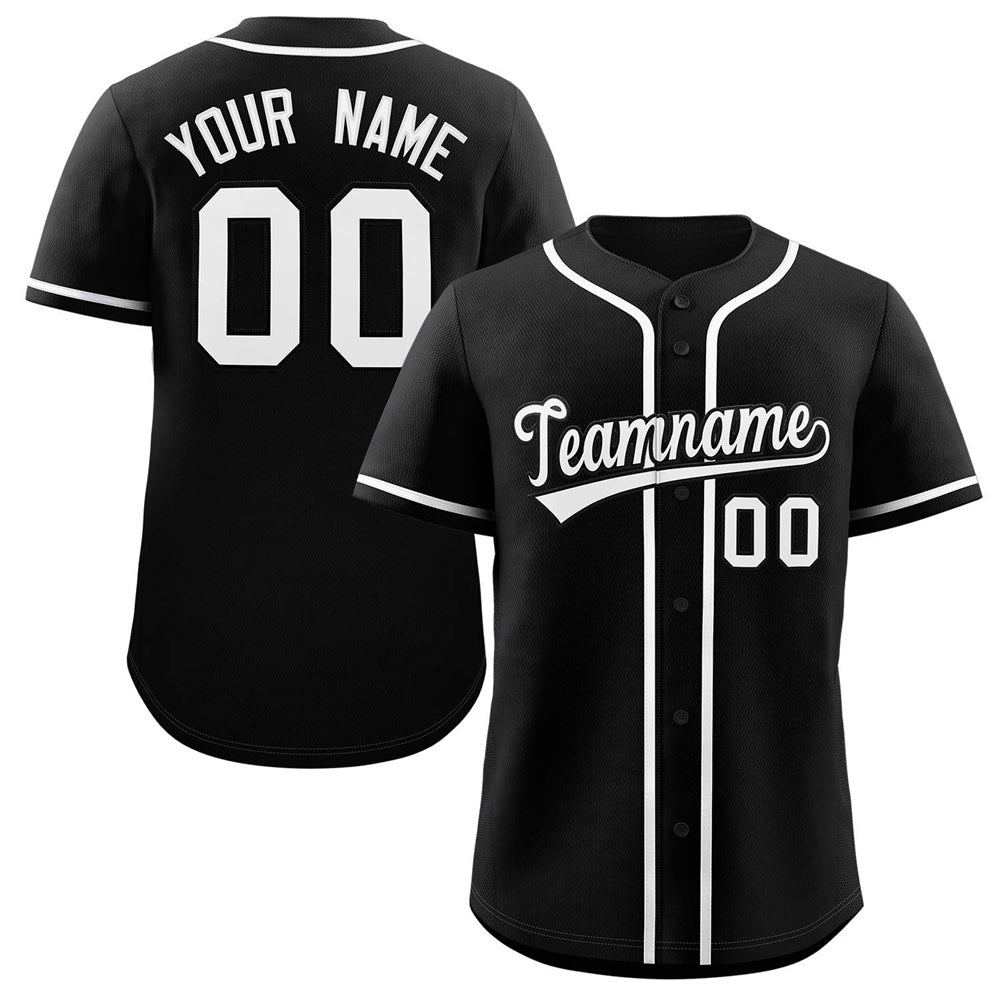
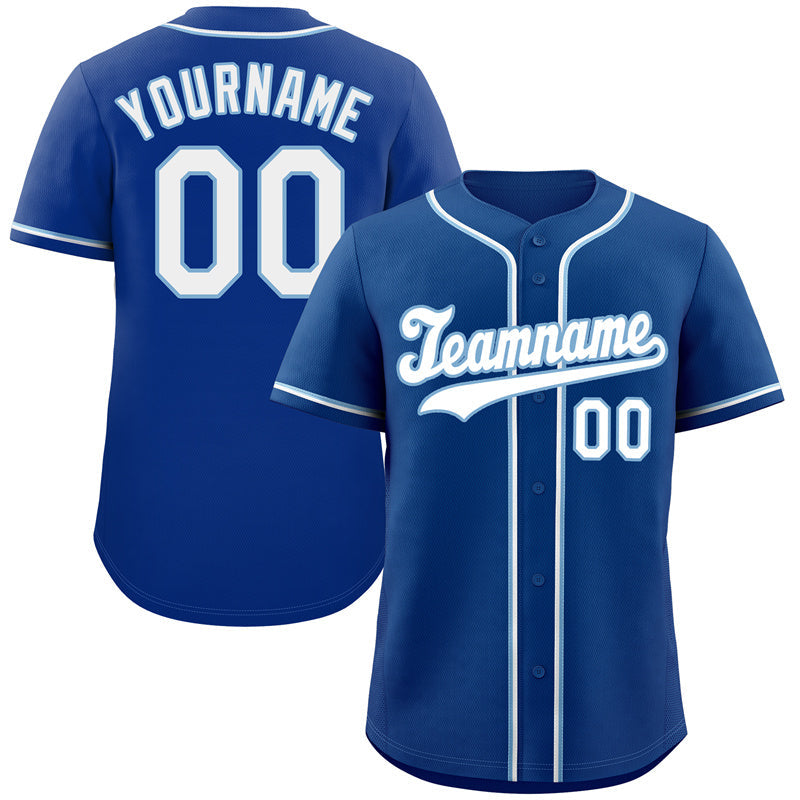
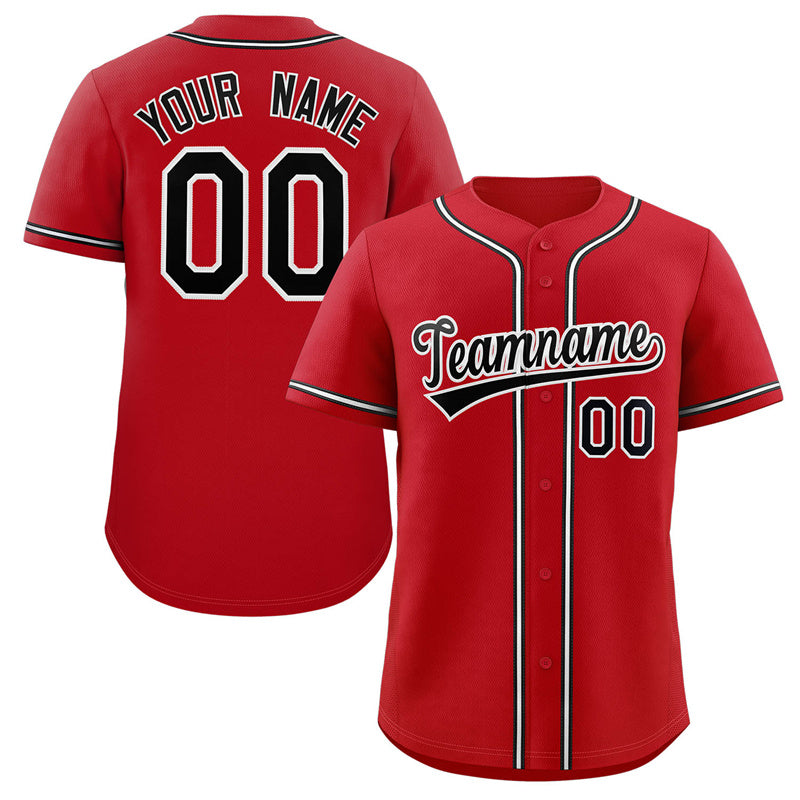
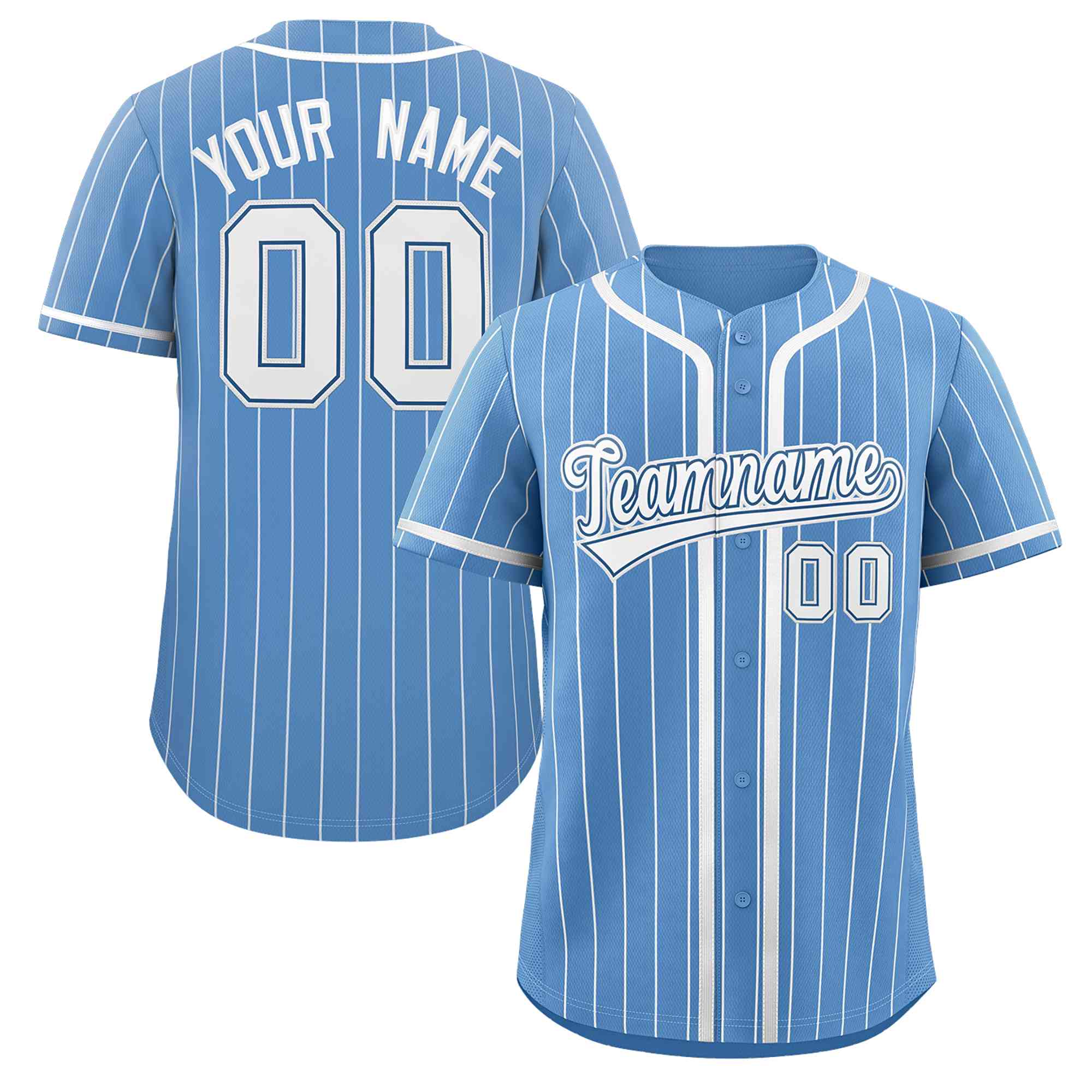
Most baseball jerseys — whether for youth leagues, travel ball, or weekend rec squads — are made from polyester or polyester blends. The fabric itself can handle heat to a point, but the printed graphics, heat-pressed names, and embroidered logos absolutely cannot. That's exactly why knowing how to get wrinkles out of clothes without iron is a skill every jersey owner should have in their back pocket. An iron might seem like the obvious fix, but on synthetic athletic wear, it's a one-way ticket to melted prints and shiny patches you can't undo.
So what works? Plenty, actually. Here are eight methods that'll get your jersey looking game-ready — no iron required.
Why You Should Never Iron a Baseball Jersey
Before we get into the solutions, let's talk about why the iron is off the table.
Polyester and nylon — the backbone materials of most baseball jerseys — have relatively low melting points compared to cotton or linen. Direct contact with an iron set too high can scorch the fibers, leaving a permanent glossy sheen that makes the fabric look cheap and damaged. But the real danger zone is the decoration layer.
Heat-pressed vinyl numbers, sublimated graphics, and embroidered patches all have different thermal tolerances than the base fabric. Run an iron over them, and you risk cracking the print, distorting the embroidery, or — worst case — fusing the design to your ironing board cover. Even a "low heat" setting can cause trouble if you linger too long in one spot. The risk simply isn't worth it, especially on a custom piece you paid good money for.
That said, wrinkles happen. Jerseys get folded in shipping, crammed into gear bags, and stuffed into lockers. The good news is that heat isn't the only way to release creases. Steam, moisture, tension, and time can all do the job — often more gently and more effectively than an iron ever could.

Method 1: The Bathroom Steam Method
This is probably the most well-known trick, and for good reason — it works, and it requires exactly zero special equipment.
How to do it: Hang your jersey on a plastic hanger (wire hangers can leave marks on the shoulders) in your bathroom, away from direct water spray. Turn the shower to hot, shut the door, and let the room fill with steam for about 10 to 15 minutes. The steam relaxes the polyester fibers, making them pliable enough to release creases. After the steam treatment, gently pull the fabric taut with your hands, smoothing out any remaining wrinkles. Let it air dry on the hanger.
Pro tip: Don't hang it so close to the shower that water droplets hit the jersey. You want steam, not a wet shirt. Also, this method works best on light-to-moderate wrinkles. Deep creases might need a second round or a follow-up with one of the methods below.
Method 2: The Dryer + Ice Cube Trick
If you need results fast and you've got a dryer, this one's a game-changer.
How to do it: Dampen the jersey slightly — not soaking, just a light mist of water. Toss it into the dryer along with two or three ice cubes. Run the dryer on a low-heat or air-fluff setting for about 10 minutes. The ice cubes melt and create steam inside the drum, which relaxes the wrinkles as the tumbling motion pulls the fabric flat.
Important: Use the lowest heat setting available. High heat in a dryer can shrink polyester or damage printed areas, the same way an iron can. Check the jersey halfway through — if it's already smooth, pull it out early. Over-drying defeats the purpose.
Method 3: The Hair Dryer Technique
A hair dryer gives you more control than a clothes dryer because you can direct the heat exactly where you need it.
How to do it: Dampen the wrinkled areas with a spray bottle or a wet hand. Hold the jersey taut with one hand and aim the hair dryer at the damp spots with the other, using a medium heat setting. Keep the dryer moving — don't park it in one spot. The combination of moisture, heat, and tension will smooth out creases in a few minutes.
Watch out for: The printed areas. Keep the hair dryer at least six inches away from vinyl numbers, sublimated panels, or embroidered logos. The concentrated airflow from a hair dryer is more intense than ambient steam, so you need to be a little more careful around decorations.
Method 4: Spray and Stretch
The simplest method on the list. No machines, no waiting, just your hands and some water.
How to do it: Fill a spray bottle with clean water and mist the wrinkled sections of the jersey lightly. Use your hands to pull and smooth the fabric in opposite directions, working along the grain of the wrinkles. Hang it up and let it air dry. As the water evaporates, the fibers contract back into a smooth position.
This works surprisingly well for minor wrinkles and shipping creases. The key is not to over-saturate — a fine mist is all you need. Too much water and you'll be waiting hours for it to dry.
Method 5: Wrinkle-Release Spray
Commercial wrinkle-release sprays are formulated specifically for this purpose, and they're a solid option if you want something reliable in your laundry arsenal.
How to do it: Hang the jersey, spray the wrinkled areas from about six inches away, and then use your hands to smooth and pull the fabric taut. Let it hang until dry. Most wrinkle-release products contain relaxants that loosen fiber tension chemically, so they work faster than plain water.
What to look for: Choose a spray that's labeled safe for synthetics. Some products are designed primarily for cotton and can leave residue on polyester. Test it on an inconspicuous area first — inside the hem, for example — before spraying the front of your jersey.
Method 6: Handheld Steamer (Low Setting)
A handheld garment steamer is basically the bathroom steam method on steroids. If you own one, this might become your go-to.
How to do it: Fill the steamer with water, let it heat up, and run the steam head along the jersey about an inch away from the fabric. Don't press the steamer directly against the material — let the steam do the work. Move from top to bottom, and gently stretch the fabric as you go. For stubborn creases, pass over the area two or three times.
The advantage over an iron: Steam doesn't make direct contact with the fabric at high pressure, so there's no risk of scorching or shine marks. It's also gentler on printed graphics because the heat dissipates quickly through the steam. Just keep the steamer head moving and use a low-to-medium setting.
Method 7: Damp Towel + Tumble Dry
This is a variation on the dryer method, but it uses a damp towel instead of ice cubes — and some people find it works even better.
How to do it: Take a clean bath towel, dampen it slightly, and wring it out so it's not dripping. Place the jersey and the damp towel together in the dryer and run it on low heat or air-fluff for 10 to 15 minutes. The towel releases moisture gradually as it tumbles, creating a consistent steam environment in the drum. It also adds a bit of gentle friction that helps pull wrinkles out.
Why this works well: The towel method gives you more even steam distribution than ice cubes, which can be spotty. It's especially effective for jerseys that are wrinkled all over rather than in one specific spot.
Method 8: The Overnight Pillow Press
Got time but no equipment? This method is about as low-tech as it gets, and it's surprisingly effective for shallow creases.
How to do it: Lay the jersey flat on a bed or clean surface. Smooth out the wrinkles by hand as best you can. Place a heavy, flat object on top — a couple of large books, a heavy pillow, or even a folded blanket — and leave it overnight. The combination of gentle pressure and time flattens out creases without any heat at all.
This isn't going to fix deep, set-in wrinkles, but for the kind of light folding creases you get from shipping or storage, it does the job. Think of it as the "set it and forget it" option.
Special Care: Handling Logos, Names, and Numbers
Here's where things get tricky. Most of the methods above are safe for plain fabric, but the decorated areas of your jersey — the heat-pressed numbers, the team logo, the player name — need extra attention.
The golden rule: Never apply direct heat to printed or embroidered areas. That means no hair dryer aimed at the chest logo, no steamer pressed against the back numbers, and absolutely no iron touching any part of the design. If you're using the dryer or bathroom steam method, the ambient heat and moisture are generally safe because they're not concentrated. But targeted heat methods require you to work around those zones.
What to do instead: When using the spray-and-stretch method, mist around the design and pull the fabric gently from the edges. For the steamer, keep the steam head at least two inches away from printed areas and move quickly past them. If a printed section is wrinkled, the best approach is often the bathroom steam method combined with gentle hand-smoothing — the diffuse steam relaxes the fabric without putting stress on the decoration layer.
For embroidered sections, you have a bit more leeway. Embroidery is more heat-tolerant than vinyl, but you should still avoid direct, concentrated heat. Light steam from a distance is fine.
Preventing Wrinkles: Storage Tips
The best way to deal with wrinkles is to avoid them in the first place. A few storage habits can make a big difference:
- Hang, don't fold. If you have closet space, hang your jerseys on wide-shouldered hangers. Folding creates crease lines at the fold points, especially on polyester.
- Use garment bags for travel. Stuffing a jersey into a duffel bag is a recipe for wrinkles. A simple garment bag keeps it flat during transport.
- Don't overstuff your closet. Jerseys crammed against each other get wrinkled from the pressure. Give each one a little breathing room.
- Fold correctly if you must fold. If hanging isn't an option, fold jerseys along the side seams and avoid pressing heavy items on top of them in a drawer.
For teams managing multiple jerseys — coaches, team parents, or league organizers — consider ordering custom jerseys with proper storage in mind from the start. At KXK Shop, our jerseys ship with minimal packaging creases, and our Order Forms feature lets you collect all player details upfront so every jersey arrives sized right and ready to wear. No exchanges, no returns, no last-minute surprises before game day.
Quick Reference: Which Method to Use
| Situation | Best Method | Time Needed |
| Light shipping creases | Spray and stretch | 5 minutes |
| Deep wrinkles all over | Dryer + ice cubes or damp towel | 15 minutes |
| Game day emergency | Hair dryer (carefully!) | 5–10 minutes |
| No equipment available | Overnight pillow press | 8+ hours |
| Wrinkles near printed logos | Bathroom steam | 15–20 minutes |
| Regular maintenance | Handheld steamer | 5 minutes |
The Bottom Line
You don't need an iron to get wrinkles out of a baseball jersey. In fact, for polyester athletic wear with printed graphics, skipping the iron is the smartest thing you can do. Steam, moisture, tension, and time — those are the tools that actually work without risking damage to your jersey's fabric or decoration.
Whether it's the morning of a big game or you just pulled your jersey out of storage for the season, one of these eight methods will get the job done. Keep a spray bottle by your laundry station, toss some ice cubes in the dryer, or just hang it in a steamy bathroom — whatever works for your timeline and your gear.
And if you're in the market for a fresh custom jersey that arrives looking as sharp as the day it was made, check out what KXK Shop has to offer. Original designs, team order forms for easy group buying, and sizes for everyone from U6 all the way up to adult — all at one flat price.
Leave a comment
Comments will be approved before showing up.
Also in Baseball
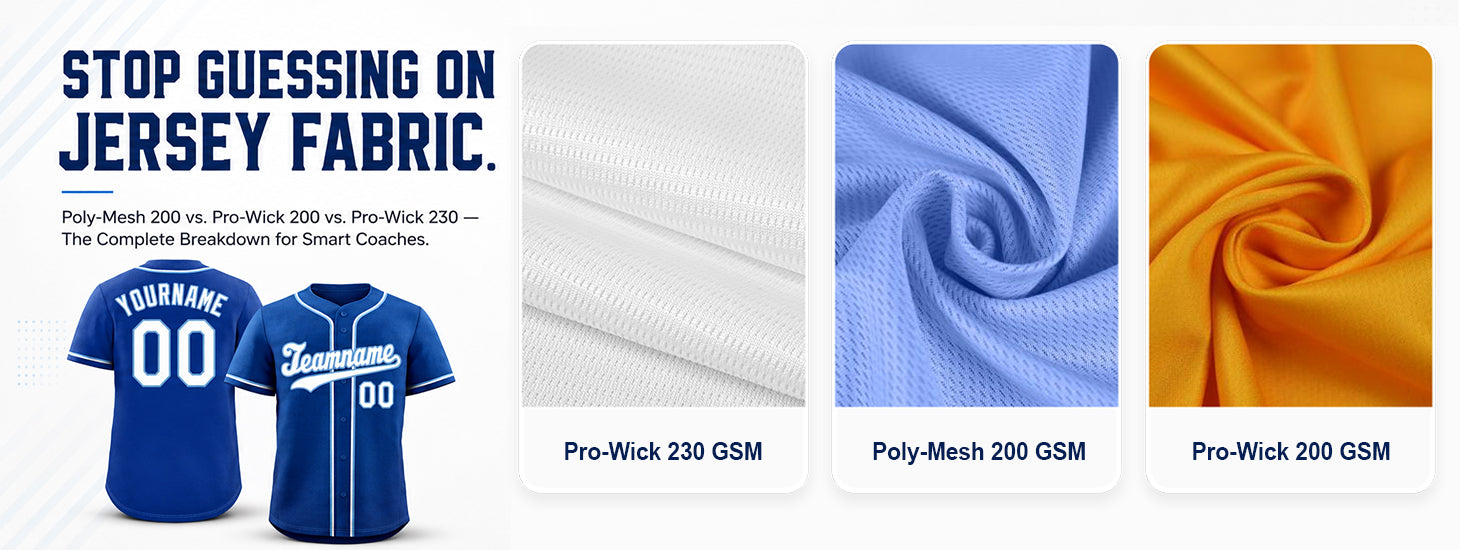

Custom Baseball Jersey Fabric Guide: Poly-Mesh 200 GSM vs Pro-Wick 200 GSM vs Pro-Wick 230 GSM
This guide provides a side-by-side comparison of three popular sublimation baseball jersey fabrics—Poly-Mesh 200 GSM, Pro-Wick 200 GSM, and Pro-Wick 230 GSM. It covers breathability, opacity, durability, print quality, and ideal use cases across climates and competition levels. The article helps coaches, team managers, and league organizers make an informed fabric choice by breaking down the pros and cons of each option and highlighting common mistakes to avoid. Pro-Wick 200 GSM is positioned as the most balanced, all-season choice for the majority of teams.
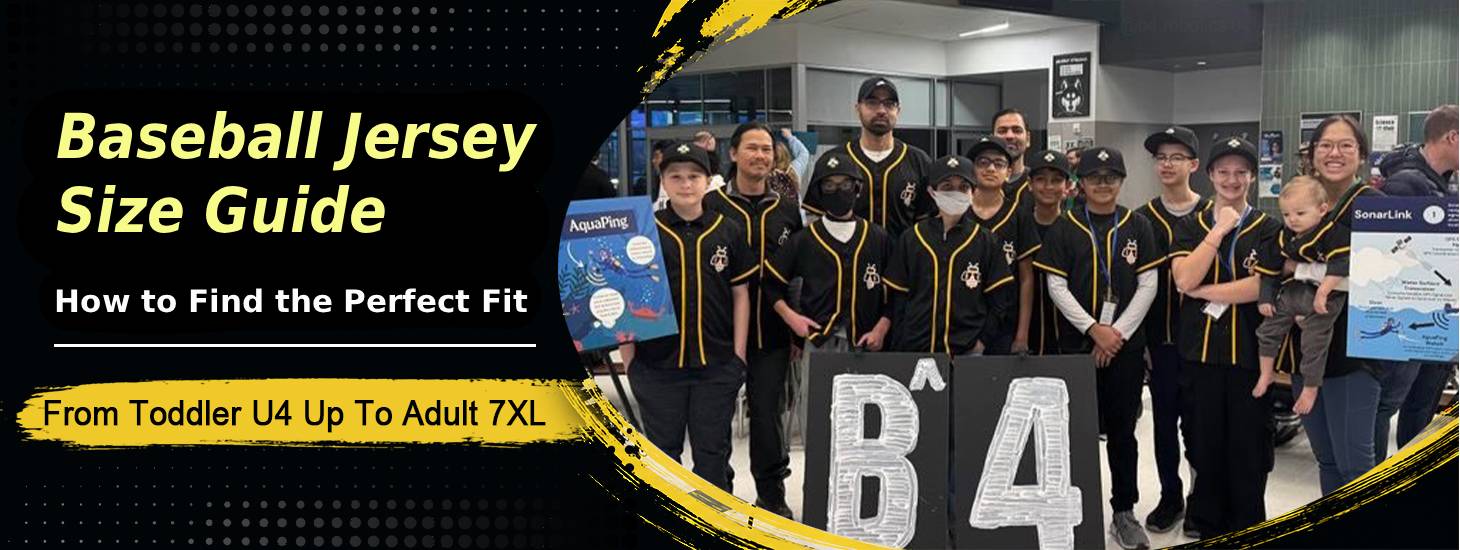

Baseball Jersey Size Guide: How to Find the Perfect Fit
Find the perfect fit for your custom baseball uniform with this complete baseball jersey size guide. Learn how to choose the right jersey and pants size, measure garment dimensions correctly, understand KXK’s garment-based size charts, and select the best fit for games, teams, casual wear, and special events.
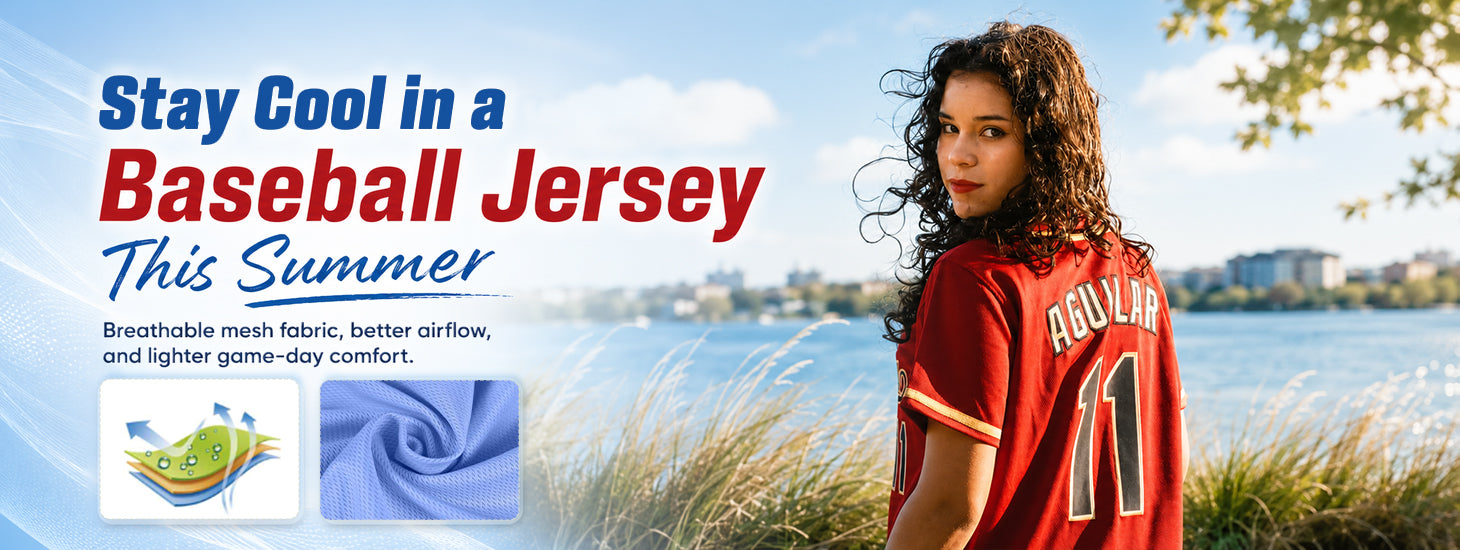

Why Your Baseball Jersey Feels Like an Oven in Summer — and What to Look for Instead You Know the Feeling
Your team jersey shouldn't be the reason you dread summer practice. Here's what actually matters when choosing a jersey for hot weather — from moisture-wicking and breathable mesh to stitched vs. printed lettering and why sleeveless makes more sense than you think.
 Ice Cream