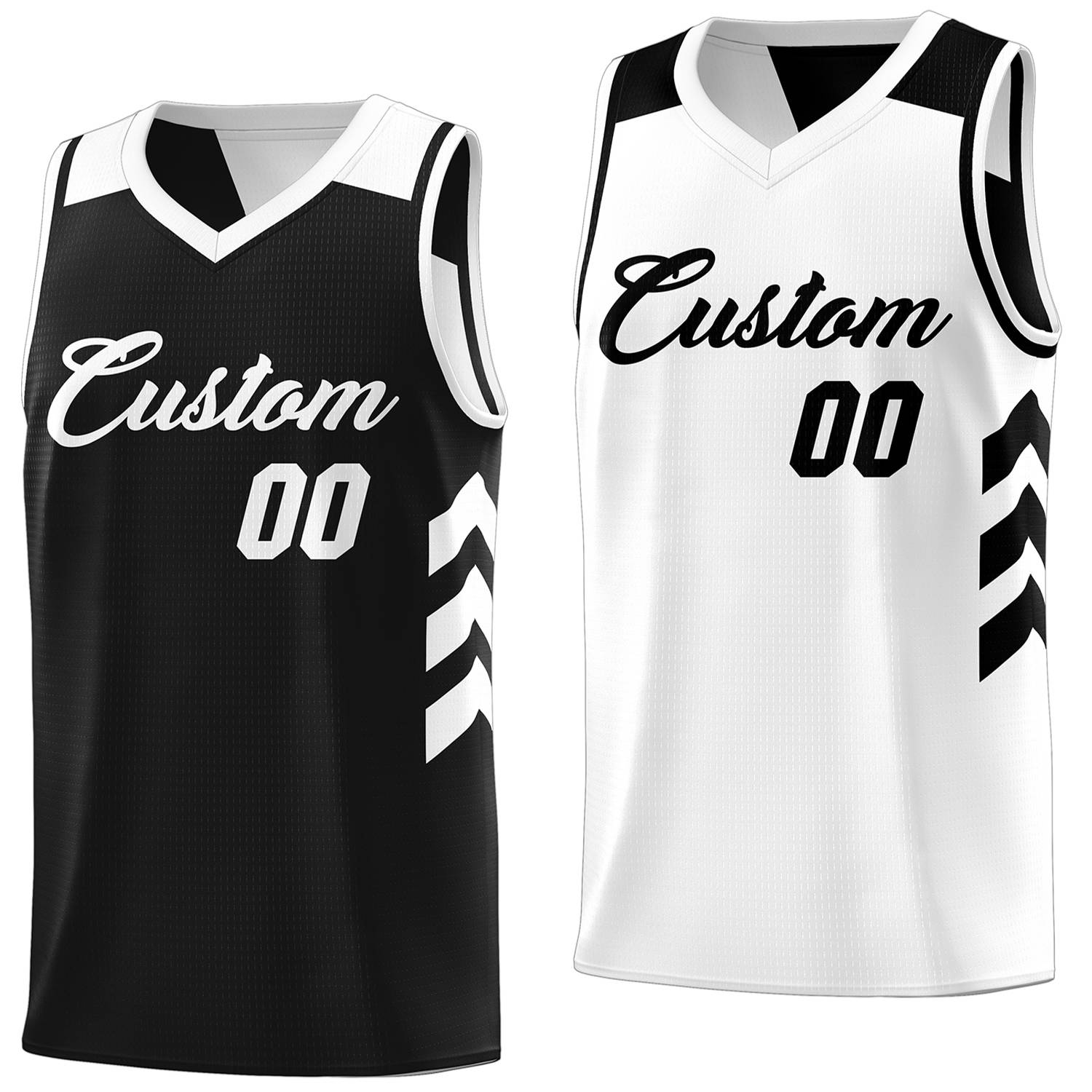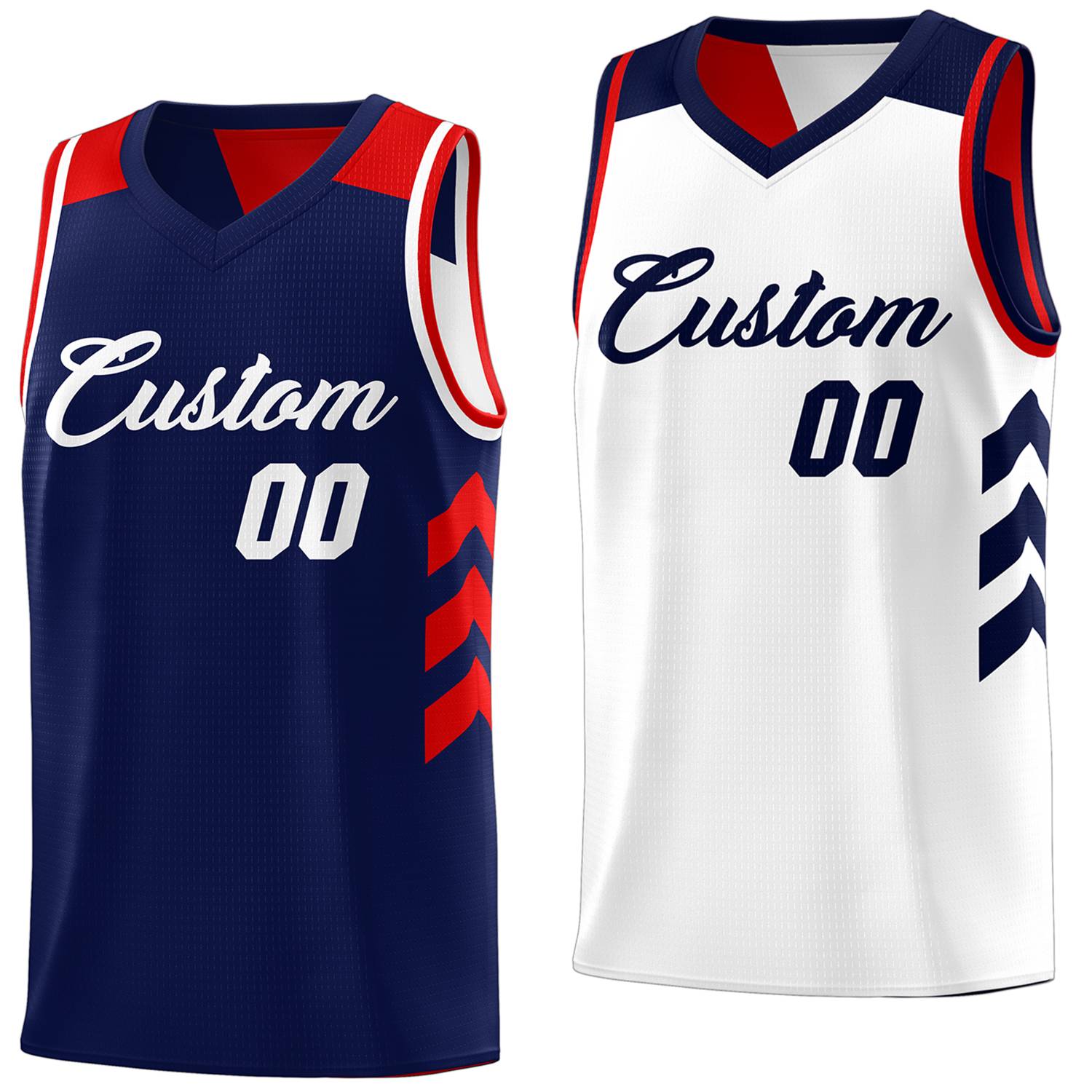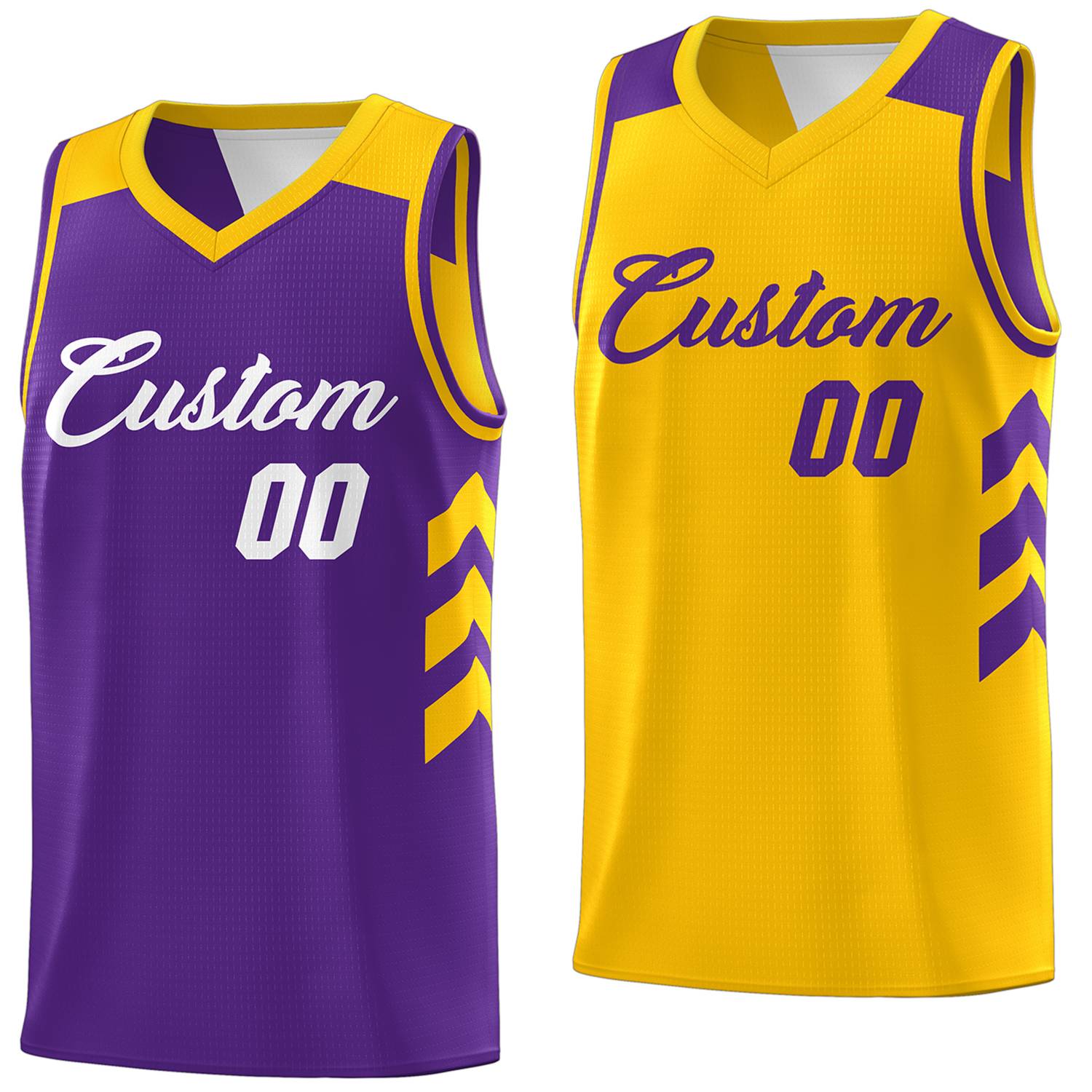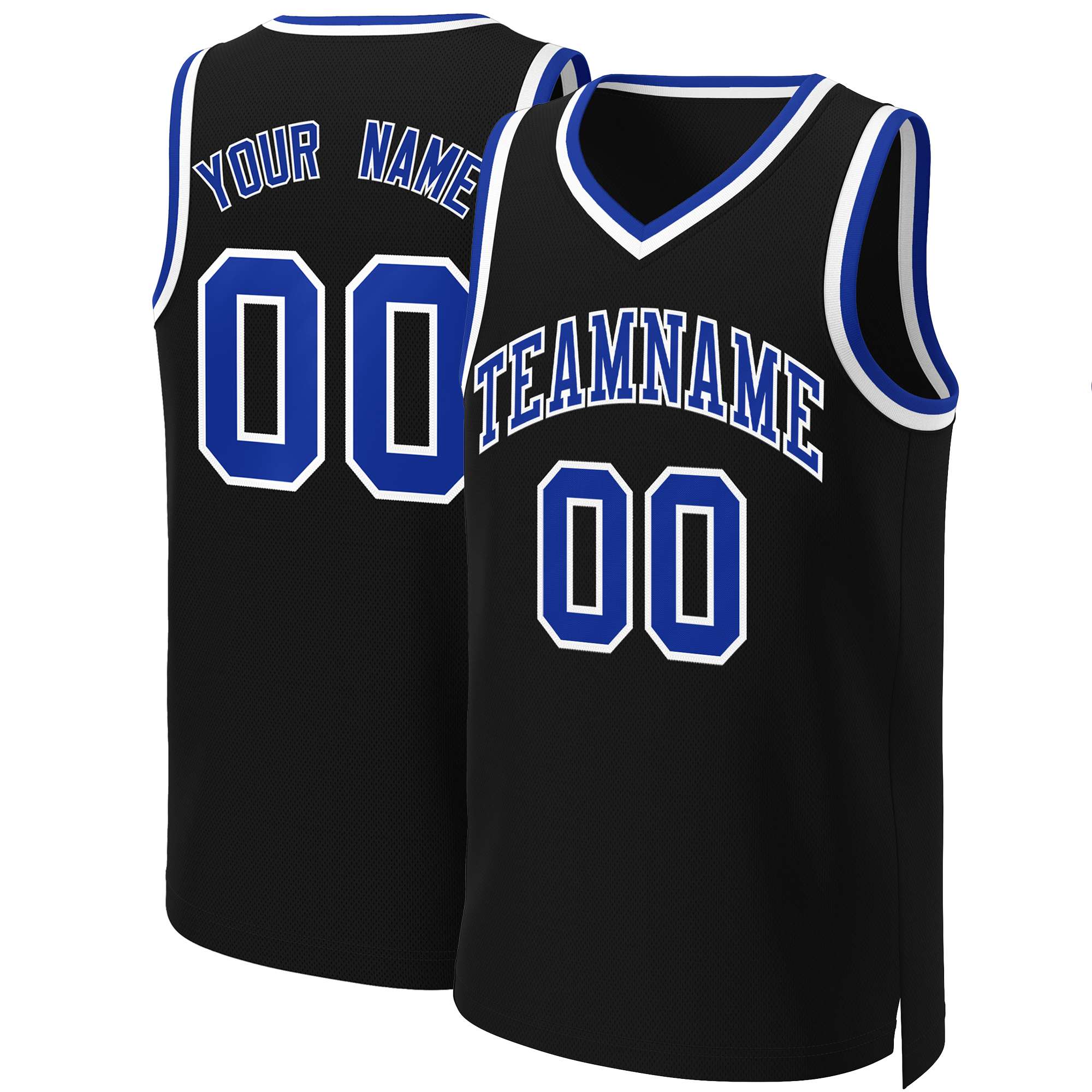

Why Your Baseball Jersey Feels Like an Oven in Summer — and What to Look for Instead You Know the Feeling


July practice. 92 degrees. You pull on your team jersey and within ten minutes, it's plastered to your back. Not damp. Soaked. The kind of wet where the fabric stops breathing entirely, and you're just wearing a heated blanket with your number on it.
Somewhere around the third water break, you look over at the guy who showed up in a plain moisture-wicking tee and think: he made the right call.
This happens constantly. Players at every level — from middle school summer leagues to adult recreational teams — are quietly choosing to practice in generic athletic shirts instead of their actual jerseys. Not because they don't care about how they look. Because the jersey is genuinely uncomfortable in the heat, that's a design problem, not a preference problem.
If you're the person ordering jerseys for a team — a coach, a parent coordinating summer camp uniforms, someone running a league — this article is for you. You're not just picking colors. You're deciding whether twenty kids spend their August practices distracted by their own clothing.
The good news: a breathable baseball jersey that actually works in summer is not hard to find, once you know which three variables matter.
Moisture-Wicking and Breathable Mesh Are Not the Same Thing
Most people use these terms interchangeably, and that's where the first mistake happens. Moisture-wicking moves sweat. Breathable mesh moves air. A jersey that does one without the other is solving half the problem.
How Moisture-Wicking Actually Works
Moisture-wicking is not a coating. It's either built into the fiber structure at the yarn level or applied as a chemical finish during textile processing. The mechanism is capillary action — the same physical principle that pulls water up through a paper towel — pulling liquid sweat from the inner surface of the fabric to the outer surface, where it can evaporate.
Without moisture-wicking, sweat pools between your skin and the fabric. That layer of trapped moisture is what makes a jersey feel heavy, clingy, and about fifteen degrees warmer than it should. Cotton is the worst offender here — it absorbs moisture and holds it, creating a wet blanket effect that actively works against the body's natural cooling process.
Polyester and polyester blends, when properly engineered, outperform cotton by an order of magnitude in moisture management. The difference in dry time between a treated polyester breathable baseball jersey and an untreated cotton equivalent can be two to three times faster.
How Breathable Mesh Works
Breathable mesh operates on a different principle entirely. It's about fabric structure, not fiber chemistry. An open-weave construction — visible as tiny holes or a grid pattern in the fabric — creates physical pathways for air to flow through the garment. Hot air trapped against the body escapes. Cooler ambient air moves in to replace it.
The metrics worth paying attention to:
· GSM (grams per square meter) — fabric weight. Below 200 GSM is generally in the lightweight range suitable for summer. Below 180 GSM, durability starts to become a concern for contact sports.
· Open-weave density — how much of the fabric surface is air vs. thread. A denser mesh looks cleaner but breathes less. A more open mesh breathes better but is more fragile under abrasion.
A jersey that has Moisture-wicking and Breathable mesh together will outperform a jersey that only has one, in any condition above about 80 degrees. If you're shopping for a summer team and the product description doesn't mention both, ask before ordering.
Stitched vs. Printed: The Choice That Affects More Than Looks
The stitched vs printed jersey conversation is usually framed in terms of aesthetics and durability. Stitched lettering — tackle twill sewn onto the fabric — looks professional, has texture, and holds up over years of wear. Printed lettering — dye-sublimated directly into the polyester fibers — produces cleaner lines and unlimited color options. Both sides of that conversation matter, and neither is wrong.
But if you care about heat, the equation shifts.
What Stitching Does to a Jersey in Summer
Stitched name and number panels add material. That material — typically a layer of twill, plus a backing layer, plus the stitching thread — sits on top of the base fabric, often in the two zones where you need the most ventilation: the upper back (player name) and the chest (front number).
The effect is not subtle. An area that previously had open mesh airflow now has a multi-layer fabric stack pressed against your skin, held there by threads that compress the base fabric underneath. In mid-summer temperatures, this creates localized heat zones that are noticeably hotter than the rest of the jersey. You can feel it — a warm, slightly heavier patch right where your body is already generating the most heat.
Why Printed Wins for Summer Performance
Printed names and numbers — done via dye-sublimation — are chemically bonded into the fabric fibers, not layered on top. The process uses heat and pressure to convert solid dye directly into gas, which penetrates the polyester and bonds at the molecular level. The result: no added thickness, no blocked airflow, no hot spots.
A fully sublimated jersey is functionally the same garment before and after printing. The name and number are visually present everywhere, physically present nowhere. For a breathable baseball jersey worn in 85-degree practice conditions, this is not a minor difference.
There is a compromise worth knowing about. Some teams want stitched for the visual weight it carries — and that's fair. A mixed approach works reasonably well: printed jersey body for full breathability, with localized stitching applied only to the front number and team logo. The chest still gets somewhat warmer, but the back stays vented, and the overall thermal load is manageable.
If you're choosing for a team that plays and practices through the hottest months of the year, printed is the practical default. Anyone trying to sell you stitched as "more breathable" either doesn't understand how airflow works or is hoping you don't.
Sleeveless Jerseys: The Obvious Fix People Keep Overlooking
The most concentrated heat zones on the human body during athletic activity are the core, the upper back, and the armpits. A standard baseball jersey covers all three. The first two are unavoidable — you need fabric there. The third is entirely optional.
A sleeveless baseball jersey removes fabric from the one area where air circulation has the biggest impact on perceived comfort. The physics is straightforward: an uncovered axillary region allows convective heat loss that a standard short sleeve blocks. For pitchers, who generate significant upper-body heat through the throwing motion, the difference in comfort between sleeveless and sleeved in hot conditions is noticeable within the first inning.
The hesitation around sleeveless is almost entirely cosmetic. Some players don't like the look. Some coaches feel it looks less traditional. But in practical terms for hot-weather summer camp and tournament play — where kids are on the field from 9 AM to 4 PM in direct sun — a sleeveless cut is probably the single most effective design decision you can make for temperature management.
Matching the Jersey to the Situation: Practice, Training, and Summer Camp
Different scenarios put different demands on a jersey. The material that works for a two-hour evening practice might fail completely at a full-day summer camp.
Practice
Practice conditions vary, but the common factor is repetition. Drills repeat. Sprints repeat. You sweat, dry off during a water break, sweat again. The jersey needs to handle multiple wet-dry cycles in a single session.
A mesh baseball jersey with moisture-wicking and printed lettering is the baseline here. The open weave dries fast between reps, and the wicking treatment keeps moisture moving outward during the active periods. Cotton or cotton-blend practice jerseys should be avoided entirely — once they saturate, they stay saturated.
Training
Training sessions tend to be higher intensity than practices, with less rest and more sustained output. The sweat rate is higher. The jersey's ability to manage moisture under continuous load becomes the limiting factor.
For training, prioritize the lightest fabric weight that still holds up structurally. A 190-200 GSM polyester mesh with a full wicking treatment is ideal. The stitched vs printed jersey decision becomes more consequential here — every extra layer of material adds to the thermal load during sustained high-output work. Printed wins by a wider margin in training than it does in practice.
Summer Camp
Summer camp is the hardest scenario to design for. Morning sessions start cool. By 1 PM, the field is radiating heat and the jersey has been on for five hours. It will get wet, dry partially, get wet again, and by late afternoon it needs to still feel wearable.
For all-day camp use, the combination that consistently works is: sleeveless or open-sleeve construction, lightweight breathable mesh, full moisture-wicking treatment, printed lettering, and a relaxed fit that doesn't cling when saturated. A breathable baseball jersey built to this spec won't solve the heat, but it won't make it worse — and in summer conditions, not making things worse is the actual bar to clear.
How to Read a Jersey Product Page Like Someone Who Cares About Performance
Before you click "order" on a team set, run through this checklist. None of these questions require expertise to answer — they just require you to look for the right words:
1. Does it say "breathable mesh" or "mesh construction"? If mesh isn't mentioned, airflow is probably not a design priority.
2. Is moisture-wicking listed as a feature? "Quick-dry" is a weaker term — look specifically for "moisture-wicking" or a named technology like Pro-Wick.
3. What's the fabric weight? If GSM is listed, aim for 180-200 for summer use. Below 180 is lighter but may sacrifice durability. Above 220 is moving into cooler-weather territory.
4. Stitched or printed lettering? For summer performance, printed is the clear winner. If stitched matters to your team aesthetically, ask about mixed options.
5. Is there a sleeveless version? If the product line offers it, that's a strong indicator that the manufacturer has thought about temperature performance.
6. Do they offer a free mockup? Color rendering on screens is unreliable. Get a visual proof before committing to a team order.
Here's what this all comes down to: a summer jersey that performs is not about brand or price. It's about three design choices — fabric technology, lettering method, and sleeve configuration. If you get those right, the jersey becomes something players actually want to wear. If you don't, it becomes another piece of team gear that lives in the bag while everyone practices in a dri-fit tee.
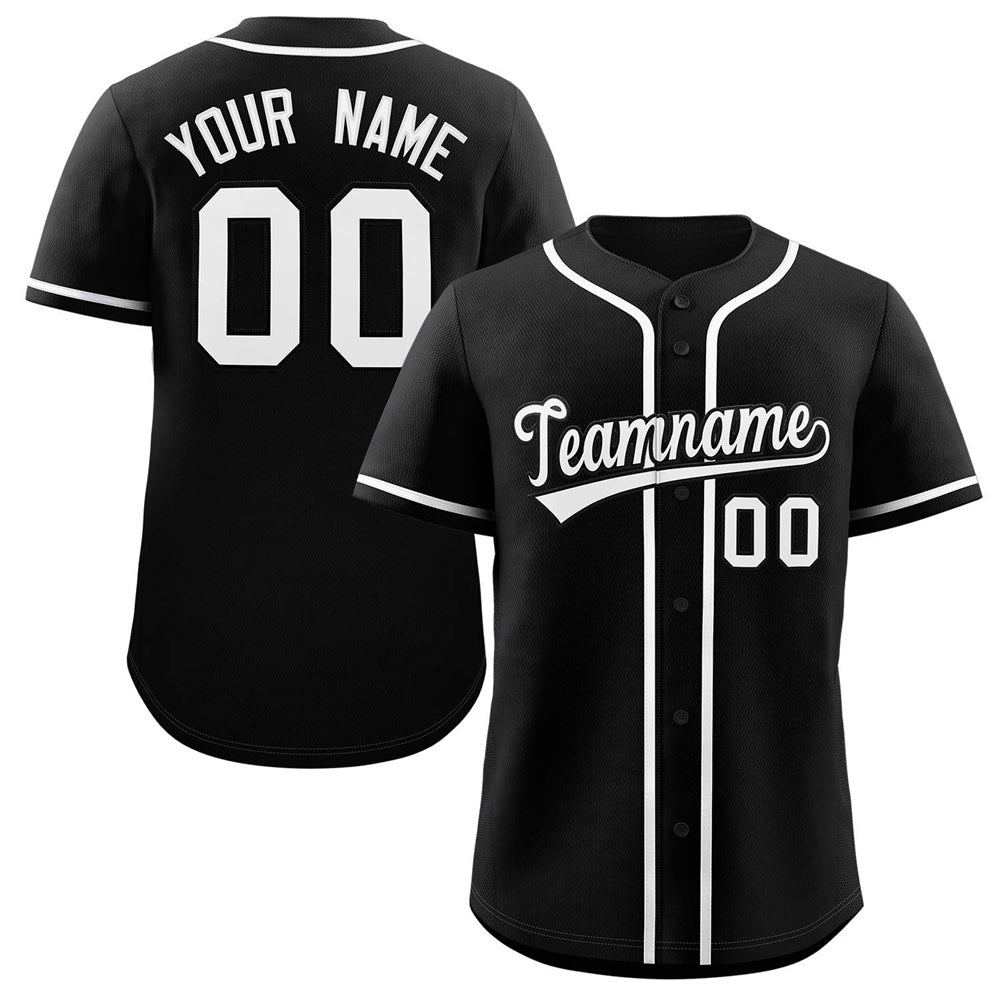
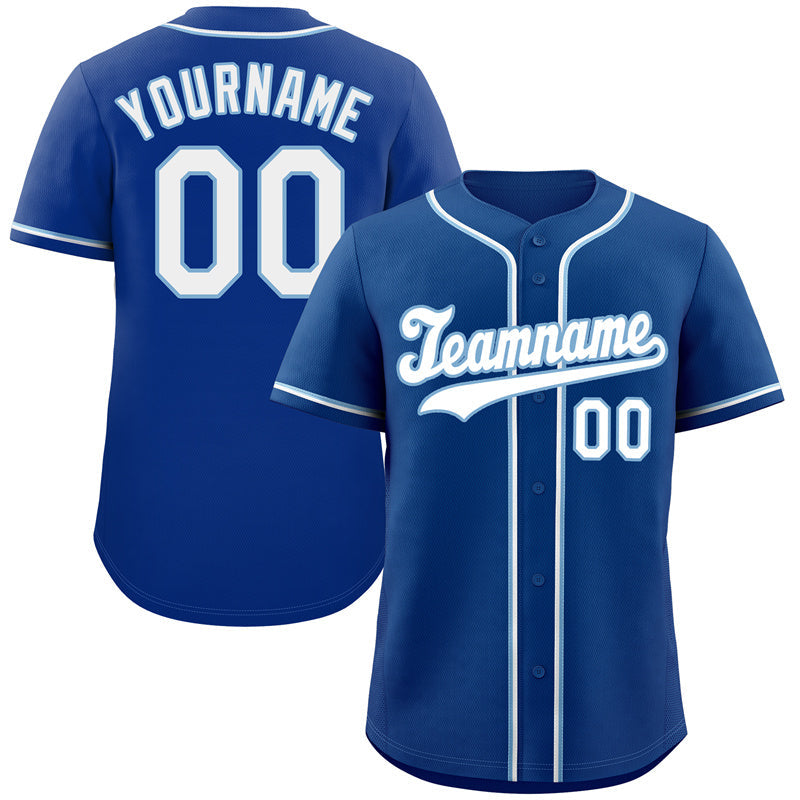
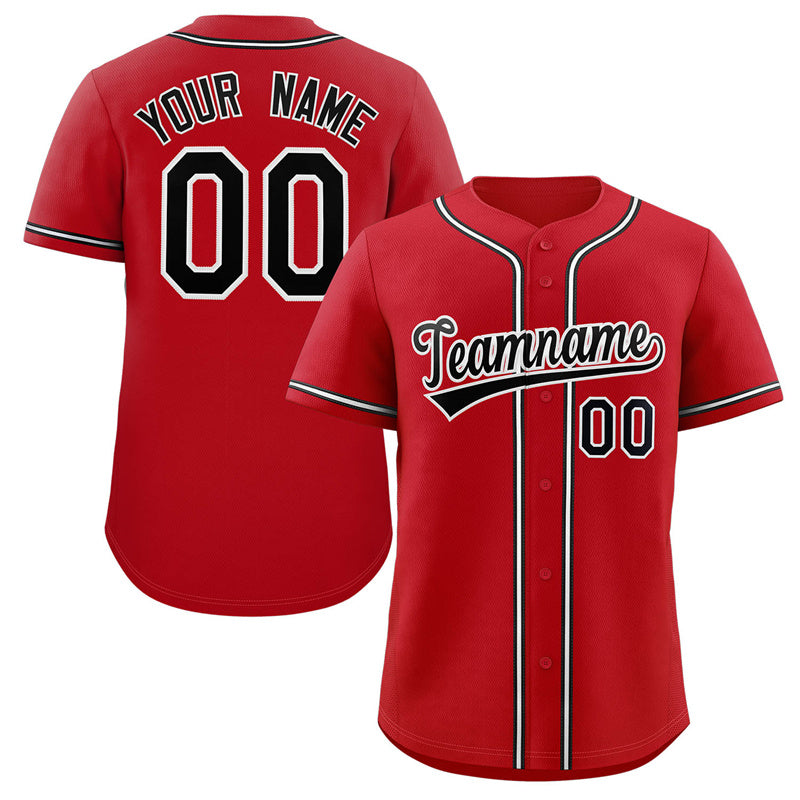
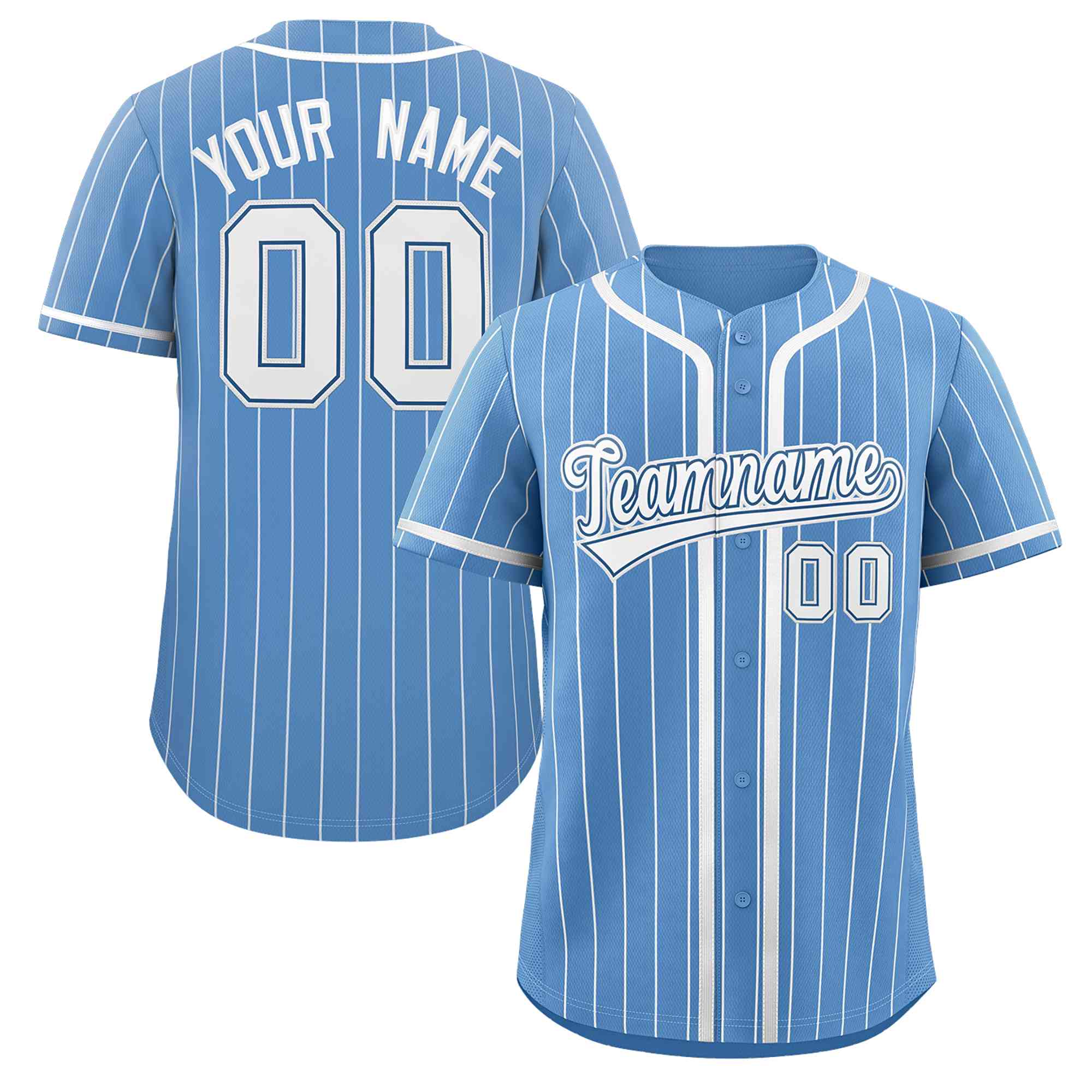
For teams, leagues, and summer camp groups looking for custom baseball gear that handles heat properly — KXK offers moisture-wicking, breathable mesh construction across classic, gradient, and sleeveless styles, with both printed and stitched name/number options. You figure out what your team needs, and they'll build it.
Leave a comment
Comments will be approved before showing up.
Also in Baseball
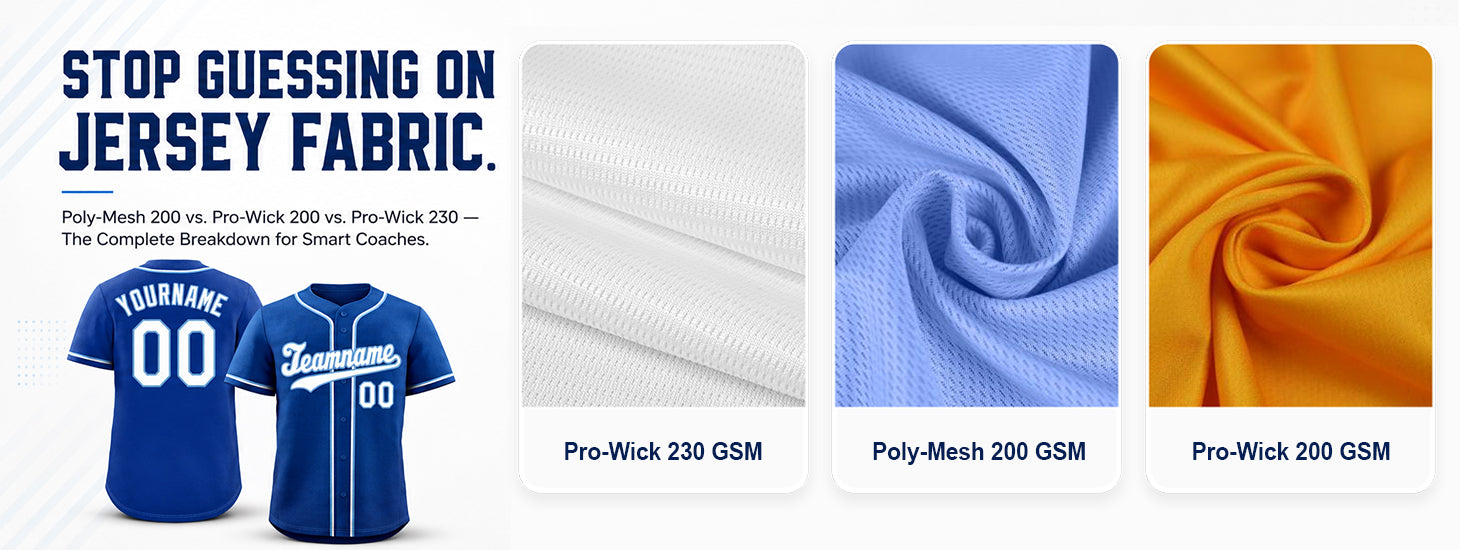

Custom Baseball Jersey Fabric Guide: Poly-Mesh 200 GSM vs Pro-Wick 200 GSM vs Pro-Wick 230 GSM
This guide provides a side-by-side comparison of three popular sublimation baseball jersey fabrics—Poly-Mesh 200 GSM, Pro-Wick 200 GSM, and Pro-Wick 230 GSM. It covers breathability, opacity, durability, print quality, and ideal use cases across climates and competition levels. The article helps coaches, team managers, and league organizers make an informed fabric choice by breaking down the pros and cons of each option and highlighting common mistakes to avoid. Pro-Wick 200 GSM is positioned as the most balanced, all-season choice for the majority of teams.
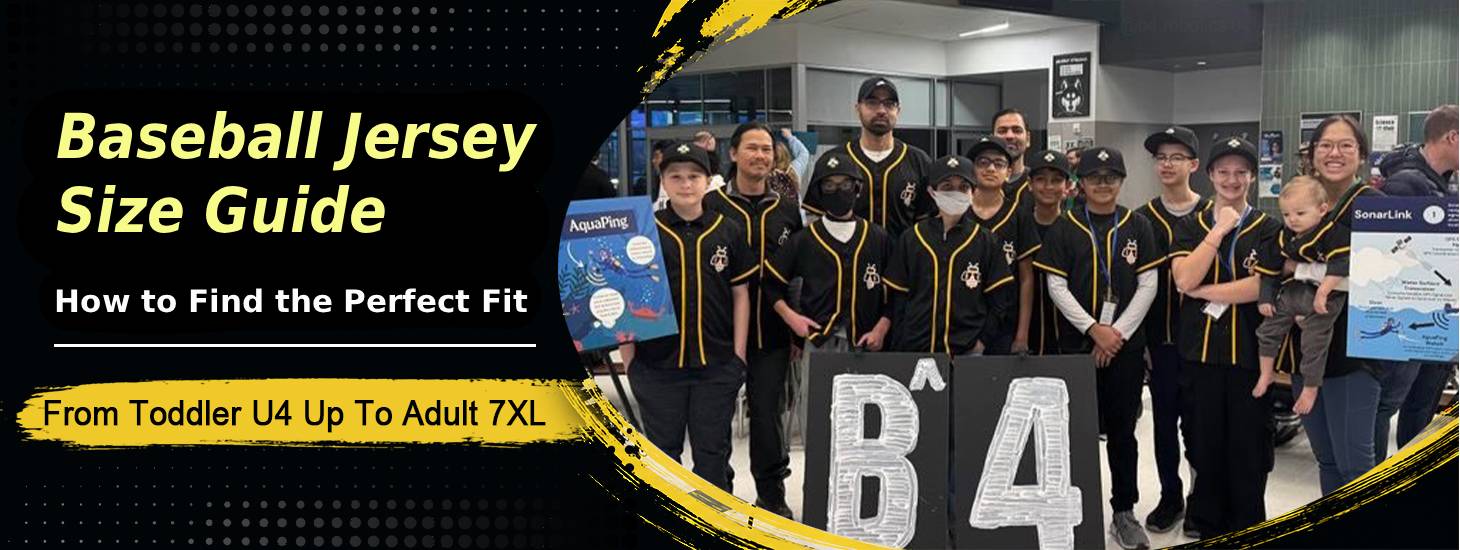

Baseball Jersey Size Guide: How to Find the Perfect Fit
Find the perfect fit for your custom baseball uniform with this complete baseball jersey size guide. Learn how to choose the right jersey and pants size, measure garment dimensions correctly, understand KXK’s garment-based size charts, and select the best fit for games, teams, casual wear, and special events.
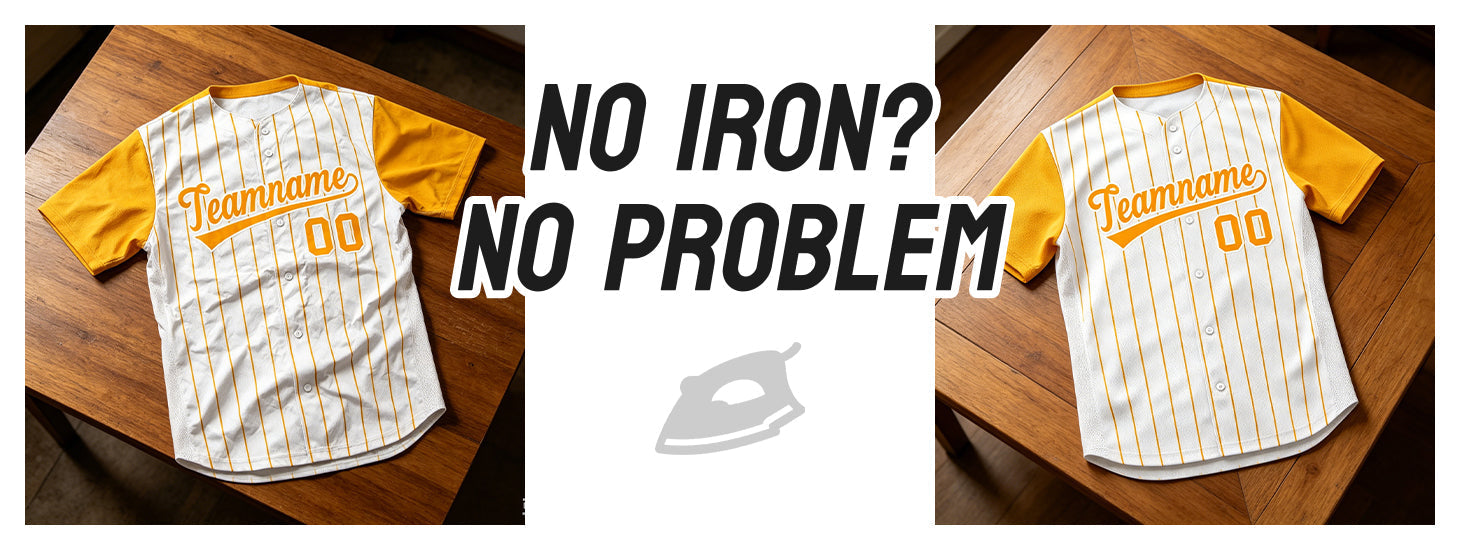

How to Get Wrinkles Out of a Baseball Jersey Without an Iron — 8 Easy Methods
Got a wrinkled jersey and no iron? You're not alone — and you definitely don't need one. Baseball jerseys are made from polyester, and hitting them with a hot iron is one of the fastest ways to ruin the printed numbers, logos, and names. This guide walks you through 8 safe, proven methods to smooth out creases using stuff you probably already have at home: steam from your shower, ice cubes in the dryer, a spray bottle, a hair dryer, and more. Plus, we cover how to handle wrinkles around printed graphics without melting or cracking them. Whether it's game day morning or you just unpacked a fresh custom order, one of these methods will get your jersey looking right — no iron required.
 Ice Cream