
The Evolution of College Baseball Equipment


College baseball has evolved significantly over the decades, and one of the most noticeable changes has been in the equipment used by players. From early wooden bats and simple uniforms to today’s high-tech gear designed for maximum performance and safety, the transformation of college baseball equipment reflects the sport’s growth and modernization. Let’s take a closer look at how different aspects of baseball gear have changed over the years.
1. The Evolution of Baseball Bats
Early Days: Solid Wooden Bats
In the early days of college baseball, wooden bats were the standard. They were typically made from ash, hickory, or maple, providing durability but also requiring great strength and precision from hitters. Wooden bats had a simple, straight-barrel design and lacked the advanced weight distribution seen today.
Introduction of Aluminum and Composite Bats
Aluminum Era: Introduced in 1974, aluminum bats dominated for their lighter swing and explosive exit velocity (up to 120mph vs. wood’s 100mph). These bats:
· Were lighter and more durable than wooden bats.
· Allowed faster swing speeds, resulting in increased offensive production.
· Had a larger sweet spot, making it easier to make solid contact.
However, concerns over safety and performance advantages led to regulations. The NCAA implemented BBCOR (Batted Ball Coefficient of Restitution) standards in 2011, ensuring that aluminum and composite bats performed more like wooden bats, reducing excessive offensive dominance.
Modern Tech (2020s)
Composite Materials: Carbon fiber blends optimize flex and durability.
Smart Bats: Embedded sensors track swing metrics (e.g., attack angle, rotational acceleration).

(Related: How to Clean a Baseball Bat)
2. The Evolution of Baseballs
Early Days: Hand-Stitched, Wool-Core Baseballs
Early baseballs were hand-stitched with leather covers and a wool or rubber core. These balls were slightly heavier and had inconsistent performance, as their stitching patterns varied - lopsided seams caused erratic pitches.
Modern Era: Precision-Manufactured Baseballs
Today, college baseballs are standardized with:
· Tightly wound cores for consistent performance.
· Raised seams to provide better grip for pitchers.
· Weather-resistant leather covers for durability.

NCAA regulations have helped maintain fairness in the game by ensuring that baseballs perform consistently across different colleges and conferences.
3. The Evolution of College Baseball Jerseys
Early Days: Heavy Wool Jerseys
In the early 1900s, baseball uniforms were made of thick wool, making them durable but uncomfortable, especially in warm weather. Retained sweat, weighed up to 5lbs when wet, caused rashes. These jerseys had a basic button-up design and often featured only simple team lettering or numbers.
(Related: The History of Baseball Jerseys)
Transition to Lightweight, Moisture-Wicking Fabrics
By the late 20th century, wool was replaced with polyester and moisture-wicking materials, allowing for:
· Better breathability and comfort.
· More flexibility and movement.
· Durability and resistance to wear and tear.
Modern Customization and Branding
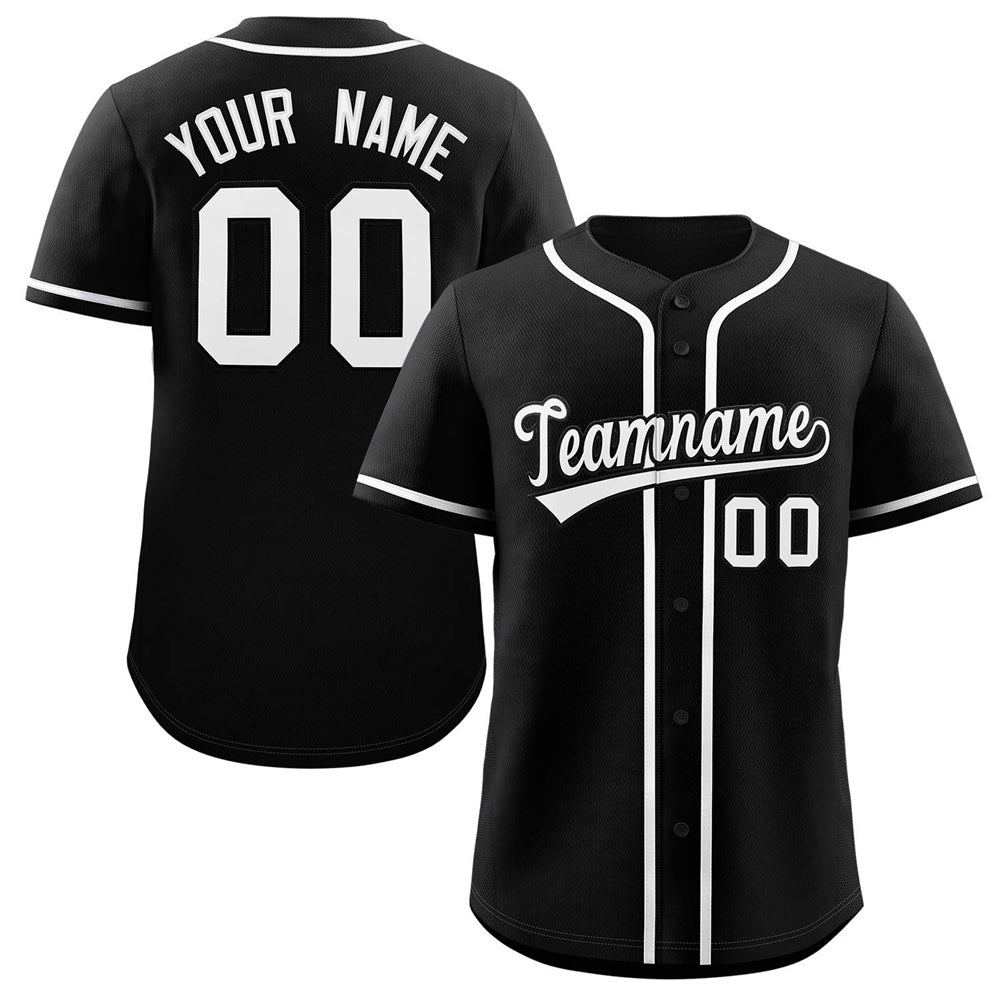
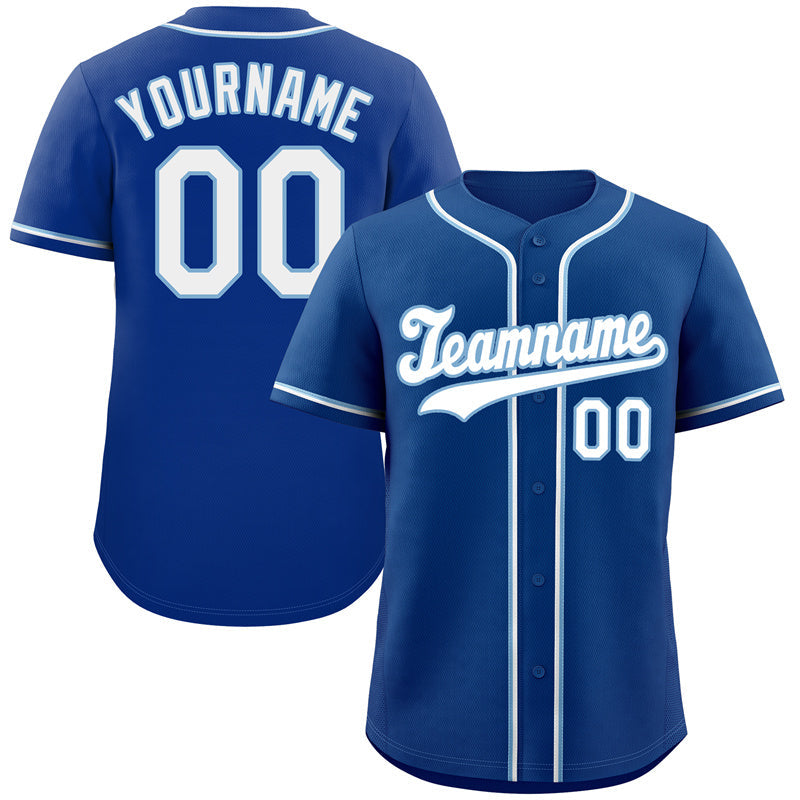
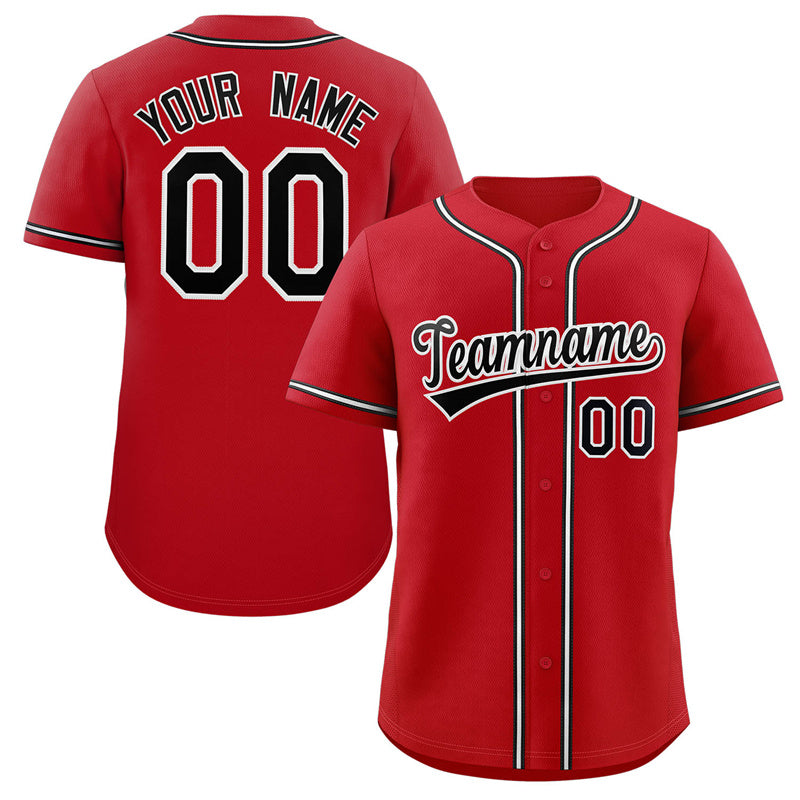
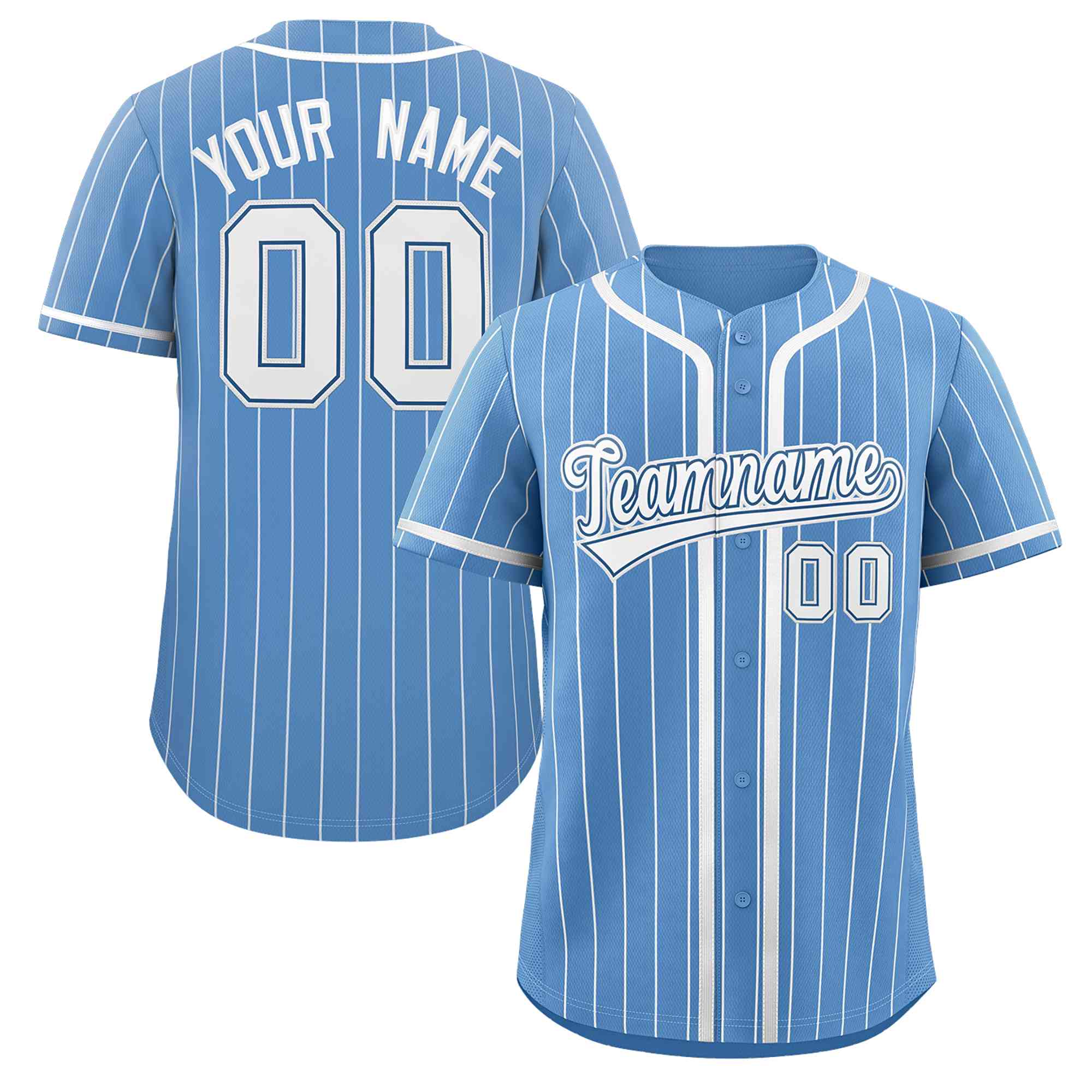
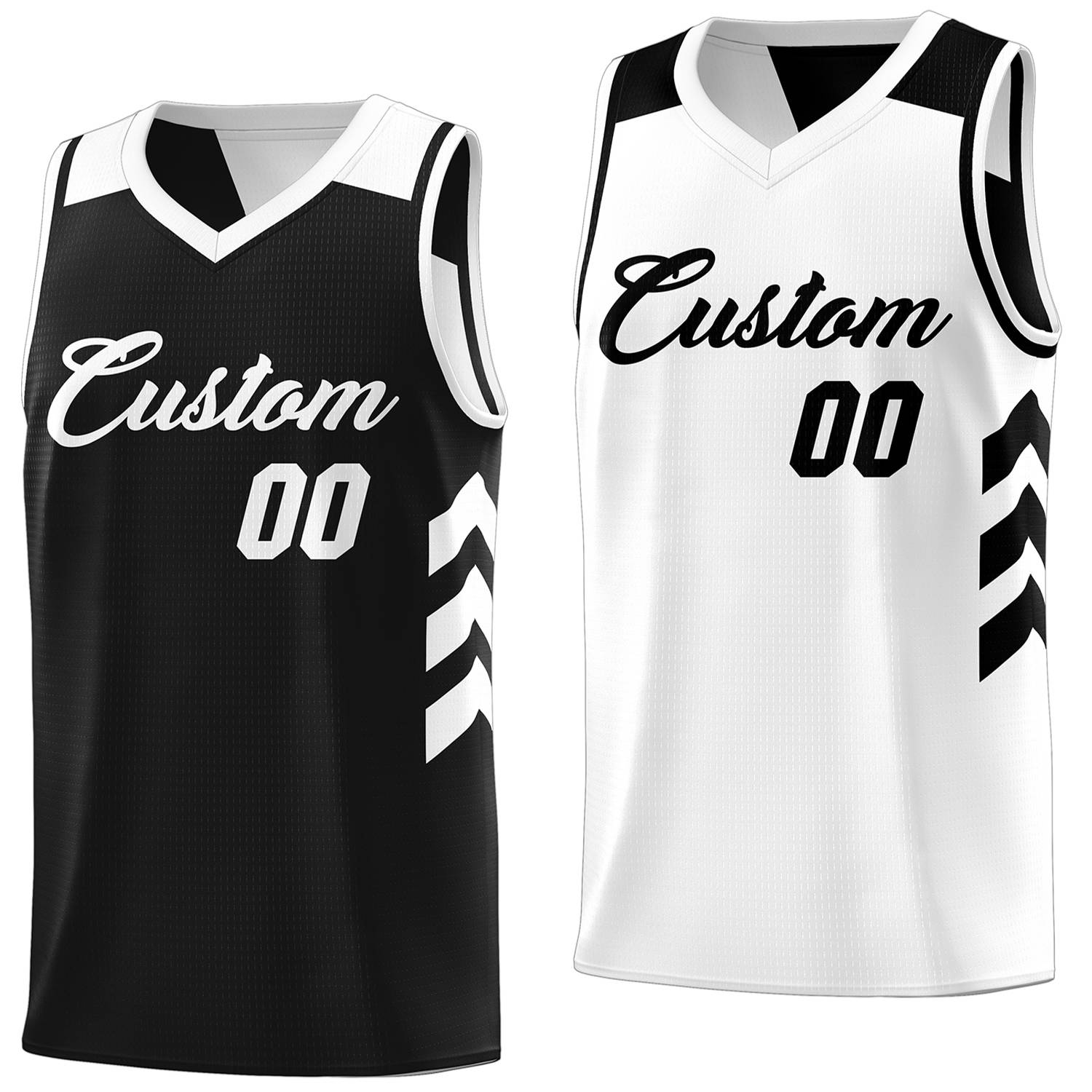
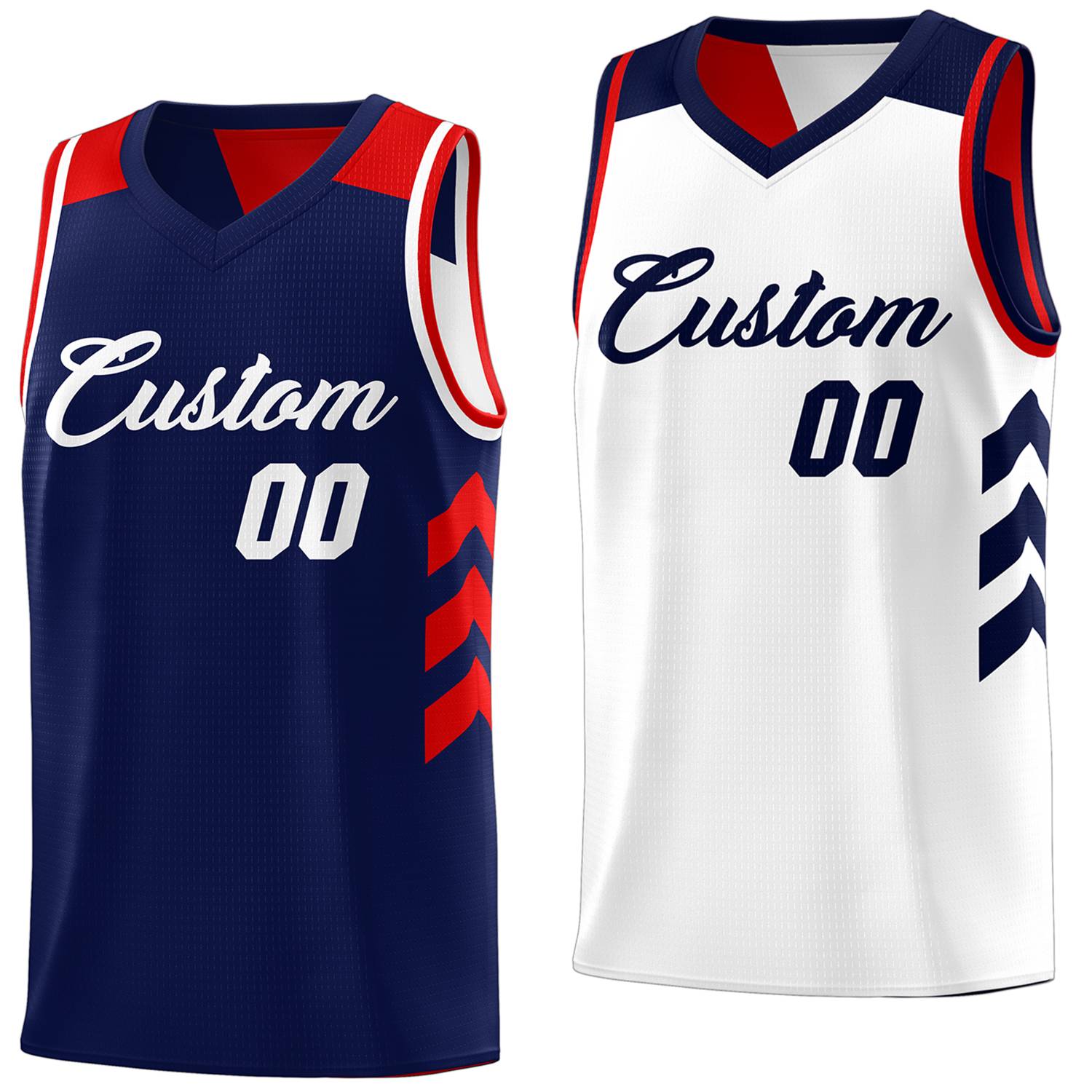
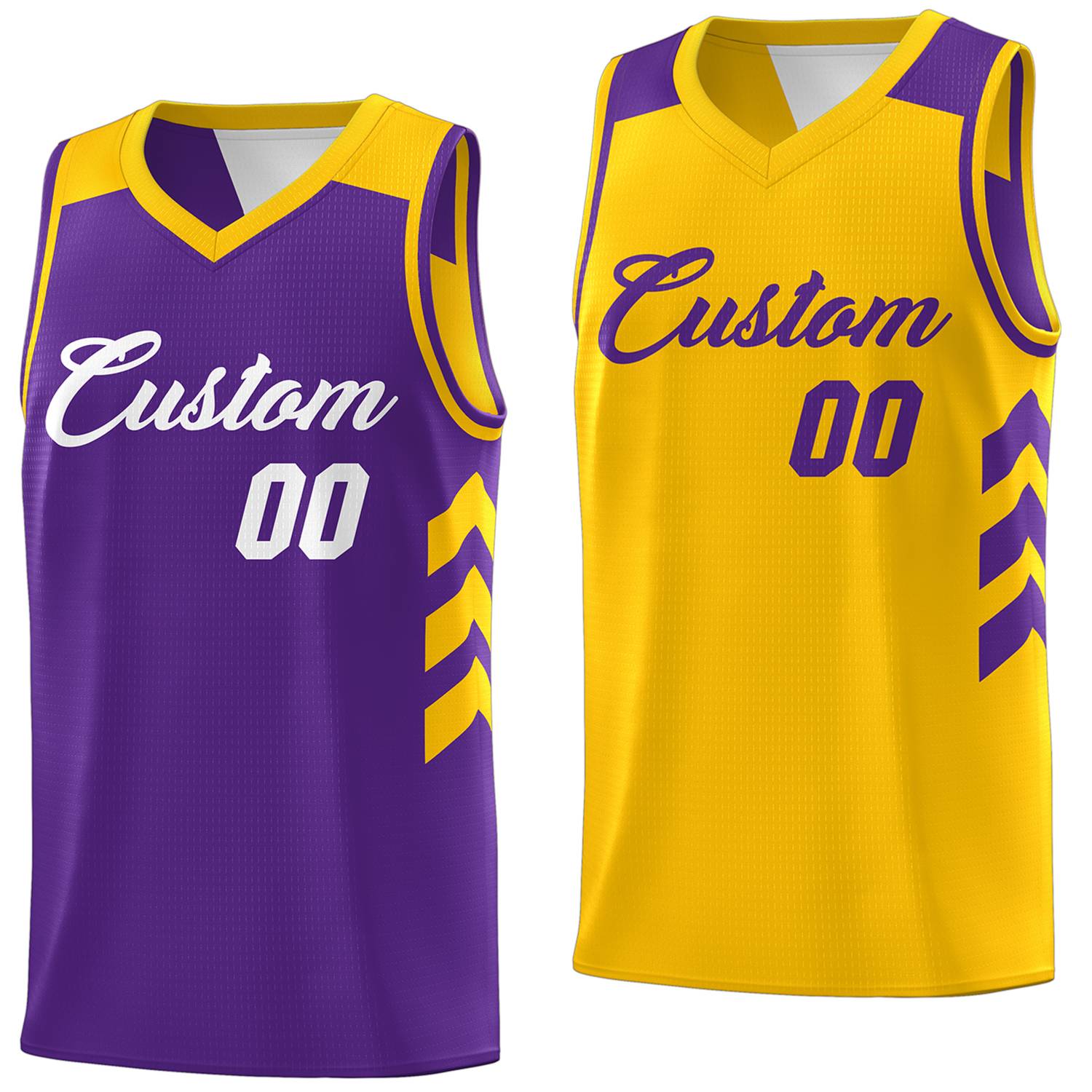
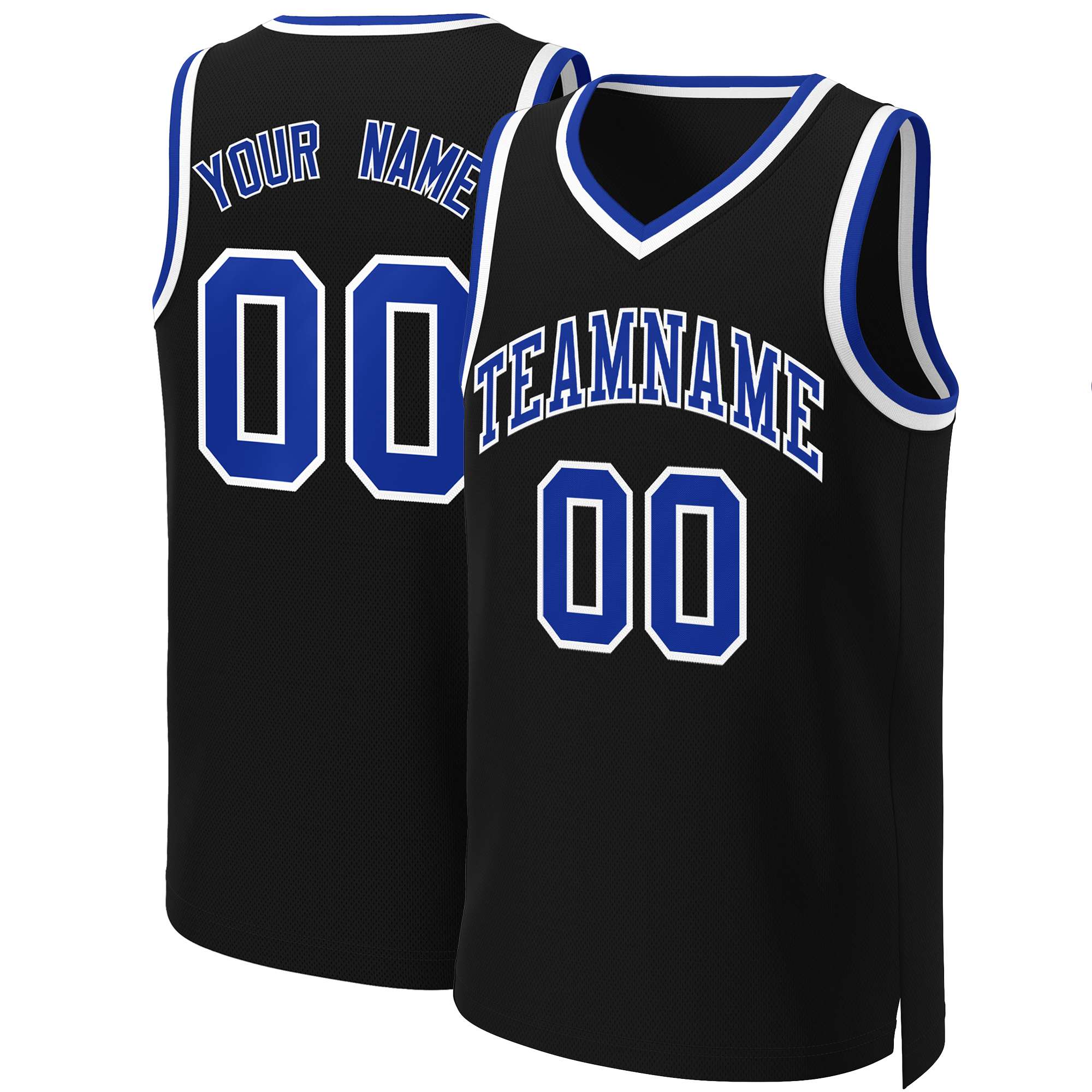
Today, college baseball jerseys have become more personalized and stylish, featuring:
· Bold team colors and logos.
· Sublimated graphics for unique designs.
· Performance-enhancing materials like Nike Dri-FIT and Adidas Climalite.
Many teams partner with major sports brands like Nike, Adidas, and Under Armour for high-performance jerseys. Some schools even allow players to customize certain elements, such as their jersey numbers or sleeve designs.

However, schools without such sponsorships typically source their custom baseball jerseys from independent sports apparel manufacturers or custom uniform providers. These schools often purchase team uniforms through bulk orders from suppliers that offer customizable options, allowing them to choose colors, logos, and designs that match their team identity. Some teams may also work with local vendors or online platforms specializing in custom sportswear.
4. The Evolution of Helmets
Early Days: No Helmets at All
Before the 1950s, baseball players—including those in college—did not wear helmets. Batters and base runners faced significant injury risks from wild pitches and collisions.
Introduction of Batting Helmets
By the 1960s, protective helmets became mandatory in most leagues. Early helmets were:
· Heavy and bulky, often uncomfortable for players.
· Made of simple plastic without much padding.
Modern Helmets: Lightweight and Protective
Today’s college baseball helmets feature:
· Impact-resistant materials such as polycarbonate shells.
· Advanced padding for concussion protection.
· Faceguards for extra safety (especially for younger players).
· Custom team colors and branding for a sleek, unified look.
With player safety being a top priority, helmet technology continues to improve every year.

5. The Evolution of Baseball Gloves
Early Days: Small, Thin Gloves
Early baseball gloves were thin, barely padded leather mitts. They were used more for stopping the ball rather than catching it, requiring fielders to rely on their bare hands.
Introduction of Position-Specific Gloves
By the mid-20th century, gloves evolved into position-specific designs, such as:
· Larger(13-inch), webbed gloves for outfielders.
· Smaller, shallow gloves for infielders to make quick transfers.
· Padded catcher’s mitts for handling high-speed pitches.
· Rawlings’ "Heart of the Hide" (1980s) became the gold standard.
Modern Innovations in Glove Technology
Today’s college baseball gloves feature:
· Ergonomic designs for a better fit.
· High-quality leather for durability and comfort.
· Advanced webbing and pocket shaping for enhanced performance.
Players can now customize their gloves by choosing specific colors, stitching, and even personal engravings to reflect their style and personality.
(Related: How to Clean a Baseball Glove)

The Rise of Personalization
Today’s college baseball gear merges performance and identity:
Recruitment Edge: Custom gear attracts prospects; Oregon’s neon yellow helmets went viral in 2022.
Fan Engagement: Limited-edition jerseys boost merchandise revenue (e.g., Arkansas’ "Hog Call" design).
Player Psychology: Studies show customized equipment increases perceived competence by 34% (Journal of Applied Sport Psychology).
The Future of College Baseball Equipment
With continuous advancements in sports technology, college baseball equipment will likely become even lighter, safer, and more personalized. Future developments may include:
· Smart bats that track swing data.
· High-tech helmets with built-in sensors to monitor impact.
· Eco-friendly materials for sustainable uniforms.
No matter how the technology evolves, one thing remains certain—college baseball will always be a sport where tradition meets innovation.
Final Thoughts
The evolution of college baseball equipment has played a crucial role in shaping the game we know today. From wooden bats to composite materials, from wool jerseys to moisture-wicking uniforms, every piece of gear has been refined for better performance, safety, and customization. Whether it’s a player stepping up to the plate with a high-tech bat or a team sporting custom jerseys with bold designs, the modernization of equipment continues to push college baseball forward.
Leave a comment
Comments will be approved before showing up.
Also in Baseball
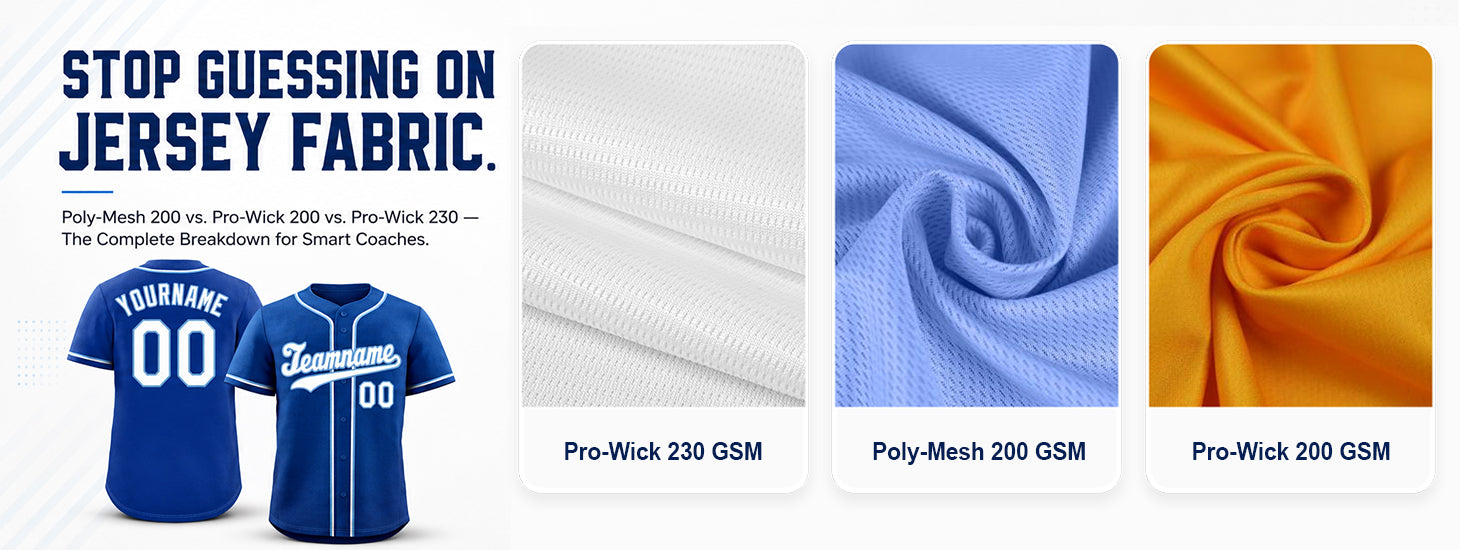

Custom Baseball Jersey Fabric Guide: Poly-Mesh 200 GSM vs Pro-Wick 200 GSM vs Pro-Wick 230 GSM
This guide provides a side-by-side comparison of three popular sublimation baseball jersey fabrics—Poly-Mesh 200 GSM, Pro-Wick 200 GSM, and Pro-Wick 230 GSM. It covers breathability, opacity, durability, print quality, and ideal use cases across climates and competition levels. The article helps coaches, team managers, and league organizers make an informed fabric choice by breaking down the pros and cons of each option and highlighting common mistakes to avoid. Pro-Wick 200 GSM is positioned as the most balanced, all-season choice for the majority of teams.
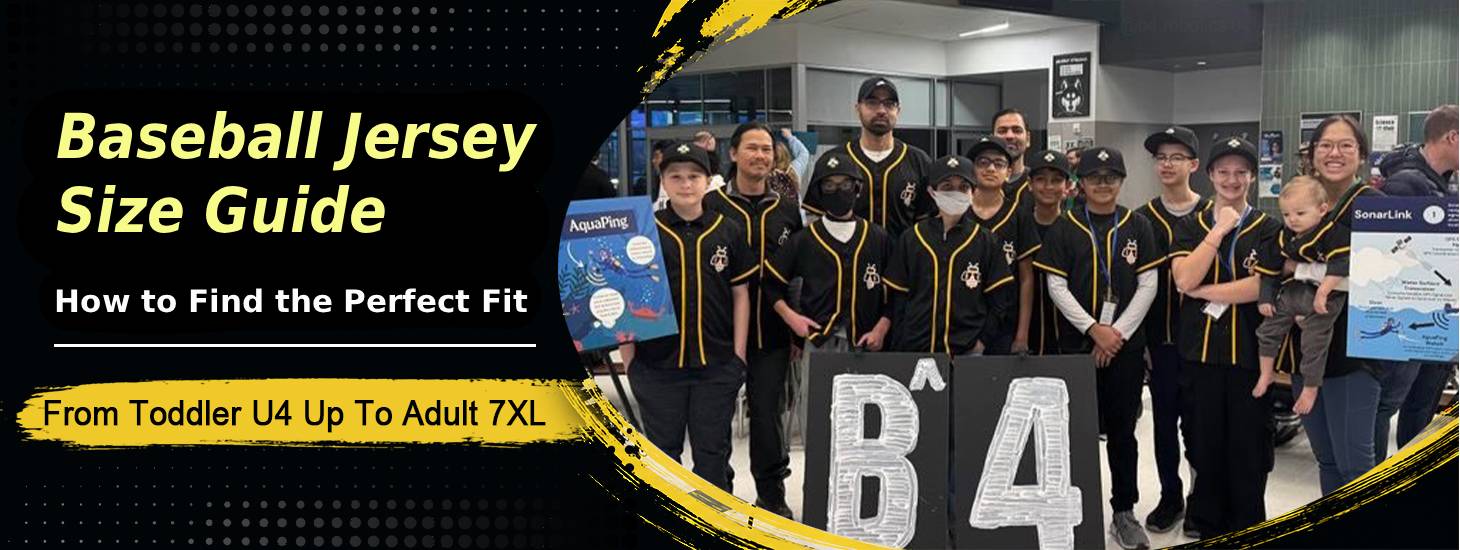

Baseball Jersey Size Guide: How to Find the Perfect Fit
Find the perfect fit for your custom baseball uniform with this complete baseball jersey size guide. Learn how to choose the right jersey and pants size, measure garment dimensions correctly, understand KXK’s garment-based size charts, and select the best fit for games, teams, casual wear, and special events.
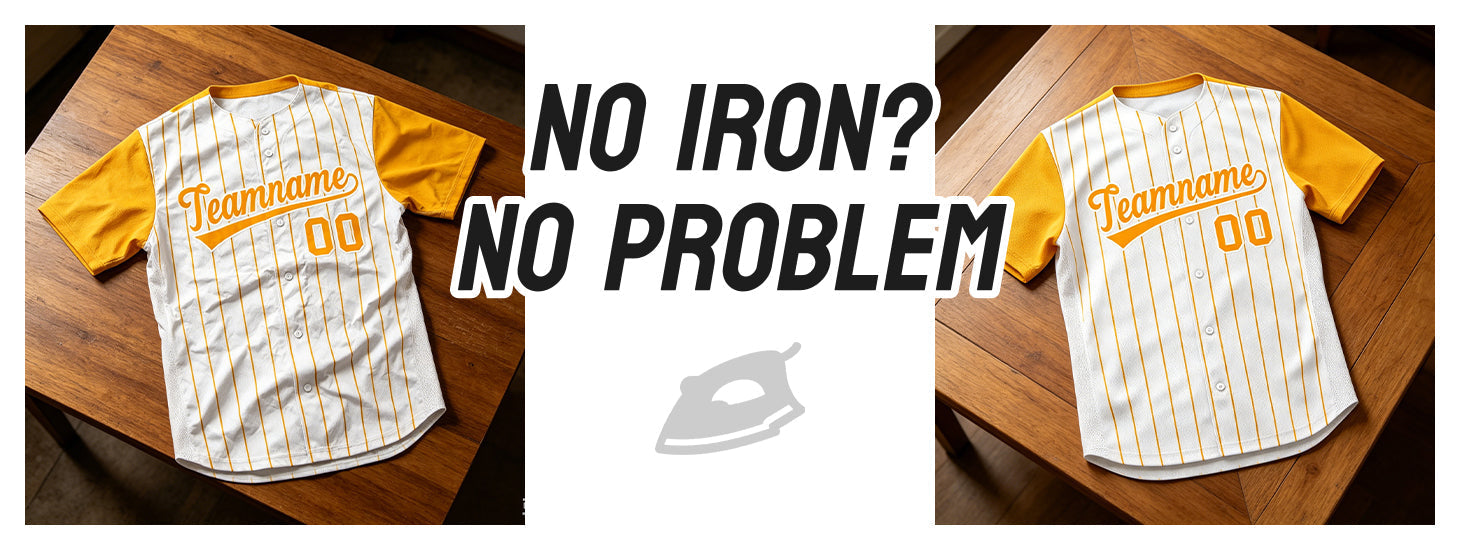

How to Get Wrinkles Out of a Baseball Jersey Without an Iron — 8 Easy Methods
Got a wrinkled jersey and no iron? You're not alone — and you definitely don't need one. Baseball jerseys are made from polyester, and hitting them with a hot iron is one of the fastest ways to ruin the printed numbers, logos, and names. This guide walks you through 8 safe, proven methods to smooth out creases using stuff you probably already have at home: steam from your shower, ice cubes in the dryer, a spray bottle, a hair dryer, and more. Plus, we cover how to handle wrinkles around printed graphics without melting or cracking them. Whether it's game day morning or you just unpacked a fresh custom order, one of these methods will get your jersey looking right — no iron required.
 Ice Cream